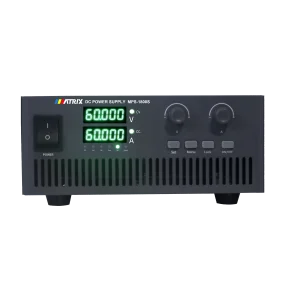
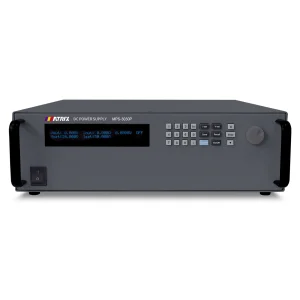
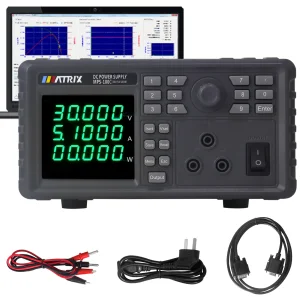
Featured Measuring & Calibration Instruments
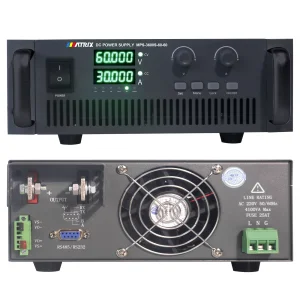
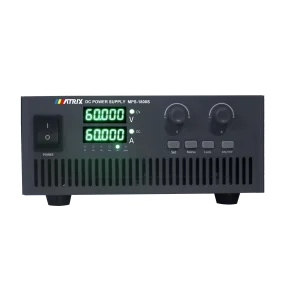
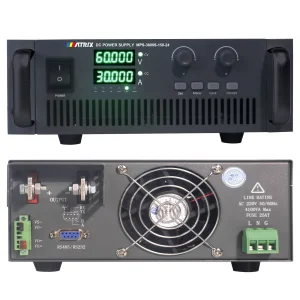
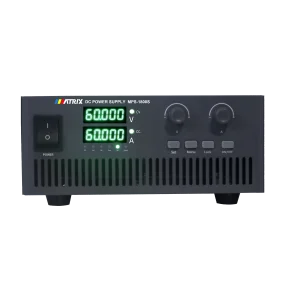
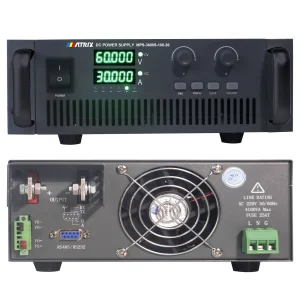
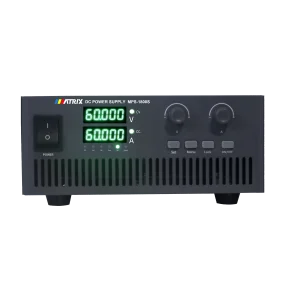
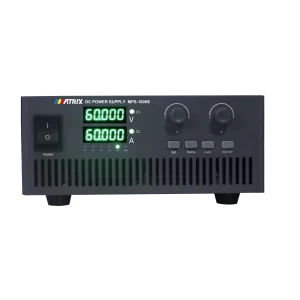
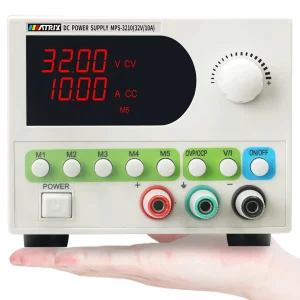
Explore our high-precision programmable power supply solutions designed to power complex test setups, supporting high-voltage and low-noise verification alongside specialized oscilloscope probe interfaces.
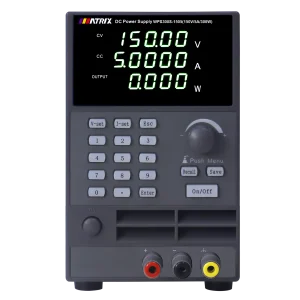
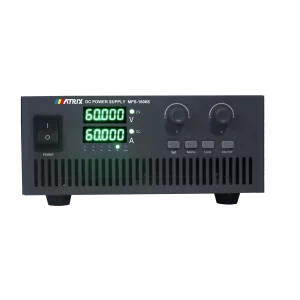
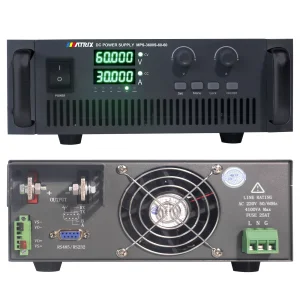
The Critical Role of Signal Integrity in Modern Electrical Testing
In high-speed electronic engineering, an oscilloscope is only as good as the probe connecting it to the device under test (DUT). As modern semiconductor systems, automotive control units, and power conversion electronics run at increasingly faster switching speeds and lower voltage margins, the design of oscilloscope probes has shifted from simple passive wires to complex, high-bandwidth signal conditioning interfaces. Managing input loading, capacitive effects, and transmission line reflections is essential for keeping signals clean.
Macro Industry Solutions and Challenges
Global technology landscapes are experiencing rapid shifts toward electrification and high-frequency communication protocols. Key industries face specific measurement hurdles:
- Automotive Electronics (SiC & GaN): Next-generation traction inverters and onboard chargers rely on Silicon Carbide (SiC) and Gallium Nitride (GaN) switching components. These devices feature extremely fast rise times (dV/dt), requiring high-voltage differential probes with high Common Mode Rejection Ratio (CMRR) and low circuit loading to measure high-side gate voltages accurately.
- Aerospace & Space Missions: Complex avionic testing requires robust, temperature-stable probe architectures that function reliably in harsh electromagnetic environments without distorting low-power sensor data.
- High-Speed Telecom (5G/6G & PCIe Gen 5/6): High-frequency designs necessitate active probe systems with low input capacitance (often sub-picofarad) and bandwidths reaching into the multi-gigahertz range to avoid loading the transmission lines.
Addressing Power Rail Integrity and Dynamic Loads
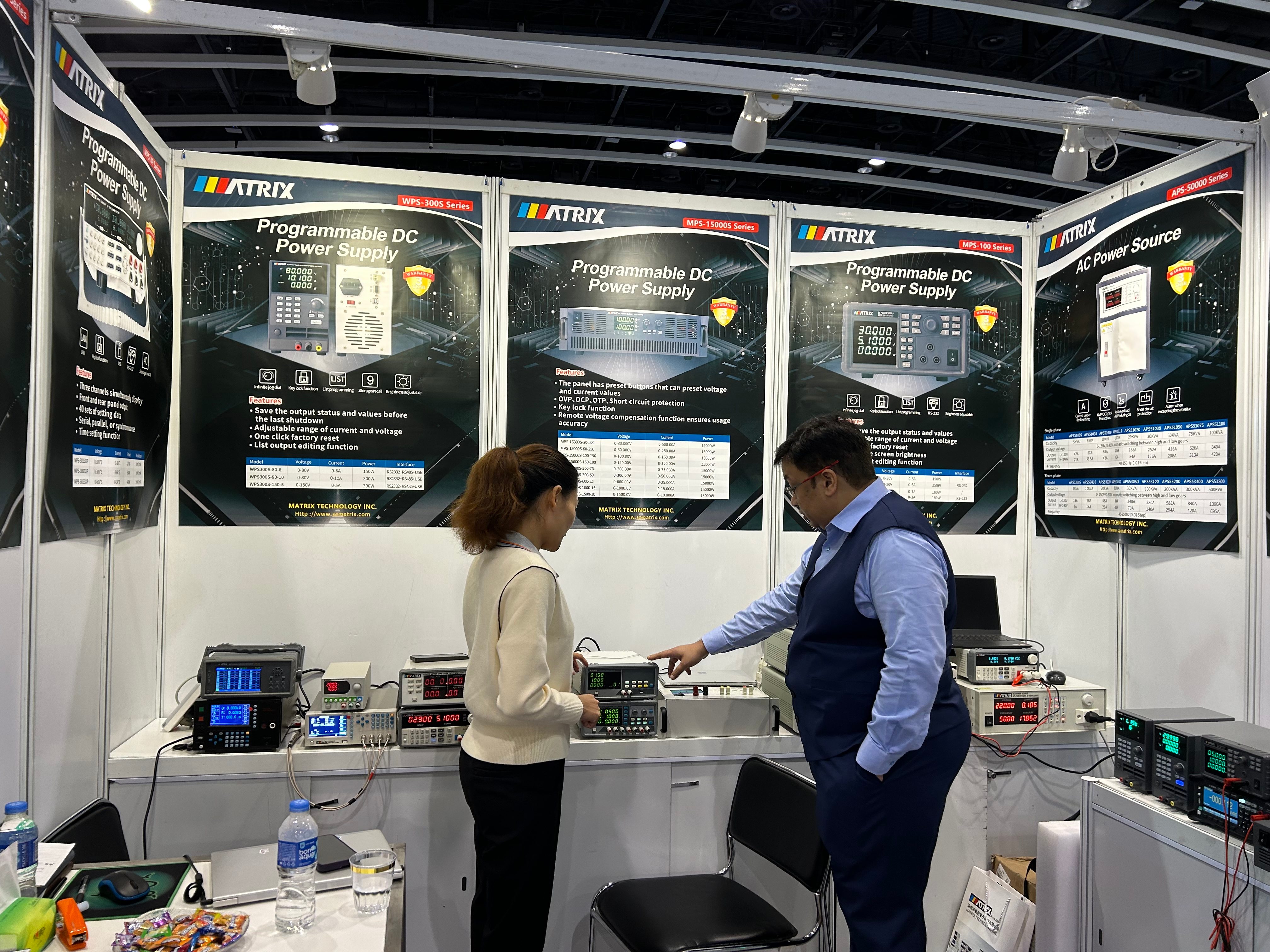
One of the most complex tasks for test engineers is analyzing power rail noise and transient behaviors. Low-voltage, high-current microprocessors demand power rails with millivolt-level ripple. To measure this, engineers require a specialized setup that pairs a clean, low-ripple programmable power supply with a high-attenuation, high-bandwidth oscilloscope probe. At Guangzhou Matrix Power Technology Limited, our programmable DC sources are designed with low-ripple characteristics that match the precision requirements of advanced active probes, ensuring your measurements capture genuine DUT noise rather than setup anomalies.
Probe Parameters Reference
Ranges from 100MHz passive probes up to 10GHz+ active differential probes for high-speed digital buses.
Configurable 1:1, 10:1, 100:1, and 1000:1 attenuation factors to match diverse voltage levels and optimize dynamic range.
Optimal loading management with 1 MΩ inputs for general applications and 50 Ω inputs for RF / high-speed circuits.
Tailored physical connectors, custom cabling lengths, and unique mechanical tips for automated test systems.
OEM/ODM Customization Pipeline
As a seasoned supplier and exporter, we support your engineering teams from initial conceptualization to global regulatory compliance, delivering custom-built measurement accessories tailored to your exact application.
Specification & Design
We work with your engineers to define performance requirements, detailing bandwidth, attenuation, input capacitance, and mechanical interfaces (such as BNC, SMA, or proprietary connections).
Simulation & Prototyping
We conduct high-frequency circuit simulations and print structural prototypes, verifying impedance matching and layout efficiency before physical tooling begins.
Precision Calibration
Each custom probe runs through advanced automated calibration processes to correct amplitude-frequency response and phase distortions across the target spectrum.
Compliance & QC
We conduct high-voltage safety tests (IEC 61010-031 compliance), thermal chamber testing, and EMI audits to guarantee robust operation and long-term durability in industrial environments.
Global Test Standards compliance
Strict quality systems governing design, purchasing, manufacturing, testing, and service functions.
Safety requirements for hand-held probe assemblies for electrical measurement and test.
Full alignment with European health, safety, and environmental protection standards.
Ensuring calibration processes are traceable to international standards through precise testing loops.
Global Commercial Status & Technical Roadmaps
The global test and measurement market is moving towards integrated, modular, and cloud-connected platforms. Oscilloscope probe technology must evolve at the same pace. The transition from heavy lab benches to smart testing setups requires probes that are smaller, lighter, and feature-rich.
Local Support and Compliance Assurances
Industrial testing equipment must comply with local regulations and regional grids. Our products align with CE, RoHS, and UL safety standards to ensure smooth integration into EU and North American test environments. As an experienced exporter, Guangzhou Matrix Power Technology Limited supports global logistics, providing custom packaging, international safety certifications, and localized after-sales calibration documentation.
Localization and Application Use Cases
- German Automotive Labs: Proving high-voltage traction systems and high-power DC-DC converters under strict electromagnetic standards (EN 55011 / CISPR 11).
- Asian Semiconductor Foundries: Verifying silicon and gallium arsenide wafers, requiring sub-picofarad passive and active probe tips for probe stations.
- North American Aerospace Integrators: Performing long-duration environmental stress testing where probes and programmable power modules must operate reliably inside thermal chambers.
Future Roadmap: Optoelectronic and Smart Probing
Our R&D roadmap focuses on two main developments: fiber-optic isolation and intelligent probe recognition. Optoelectronically isolated probes offer near-infinite CMRR at high frequencies, which is essential for measuring high-side gate voltages on SiC/GaN switches. Concurrently, smart probes can communicate directly with digital control networks and smart power systems, enabling automated calibration adjustments and preventing user configuration errors.
Optimizing Measurement Systems
High-fidelity measurements rely on two main factors: low-noise power delivery and high-impedance probing. Learn how our engineering approach addresses signal and power integrity simultaneously.
Impedance Matching
We match probe input impedance and transmission line structures to minimize signal reflections, ensuring that high-frequency components remain clean at the oscilloscope input.
Low Ground Loop Noise
Our solutions prioritize short, low-inductance ground leads and coaxial paths to minimize loop inductance, preventing electromagnetic interference from distorting your measurements.
Stable Power Integration
Our programmable DC power sources feature low ripple and minimal output noise. This provides a clean power foundation for active probe circuitry and high-gain differential amplifiers.
Corporate Track Record & Production Capabilities
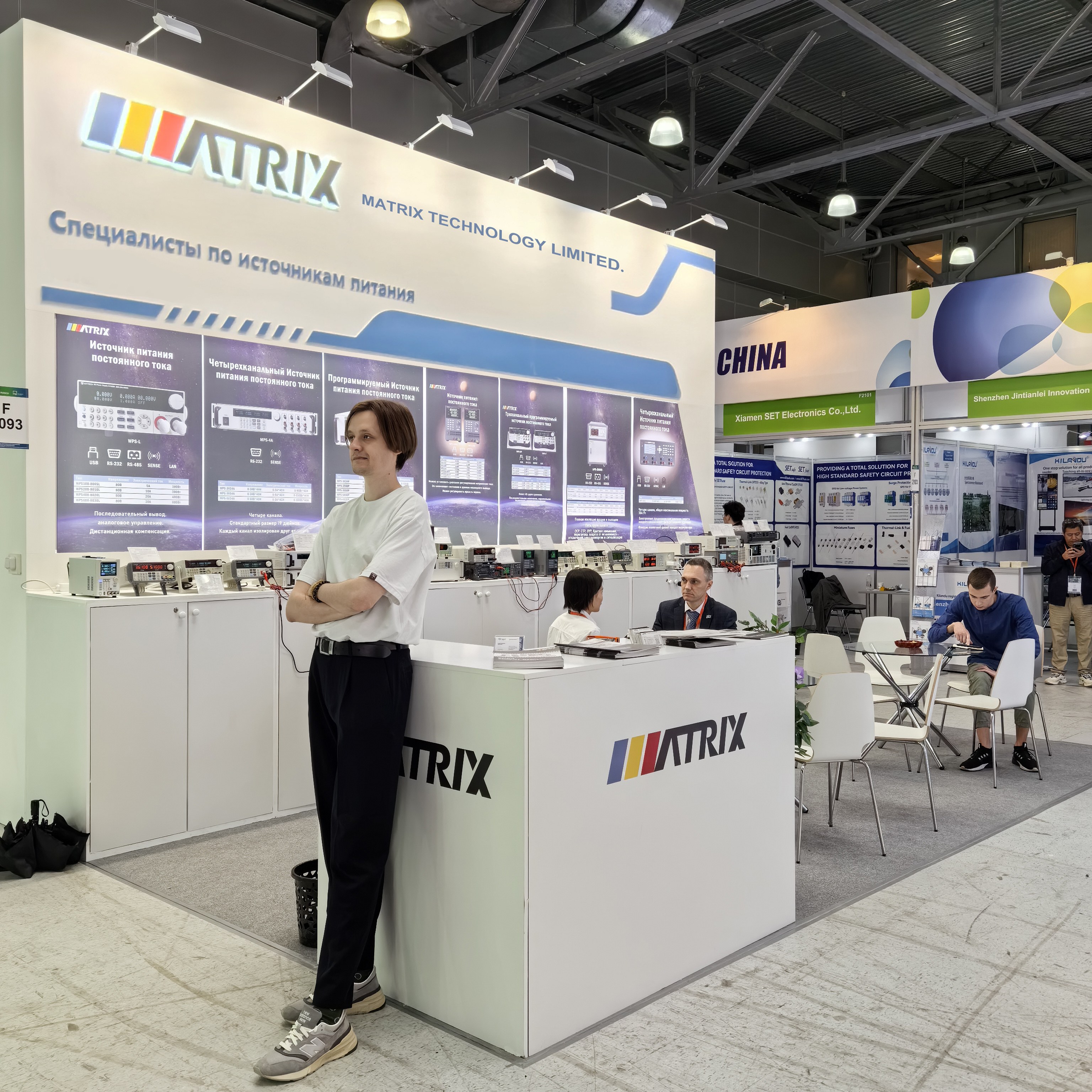
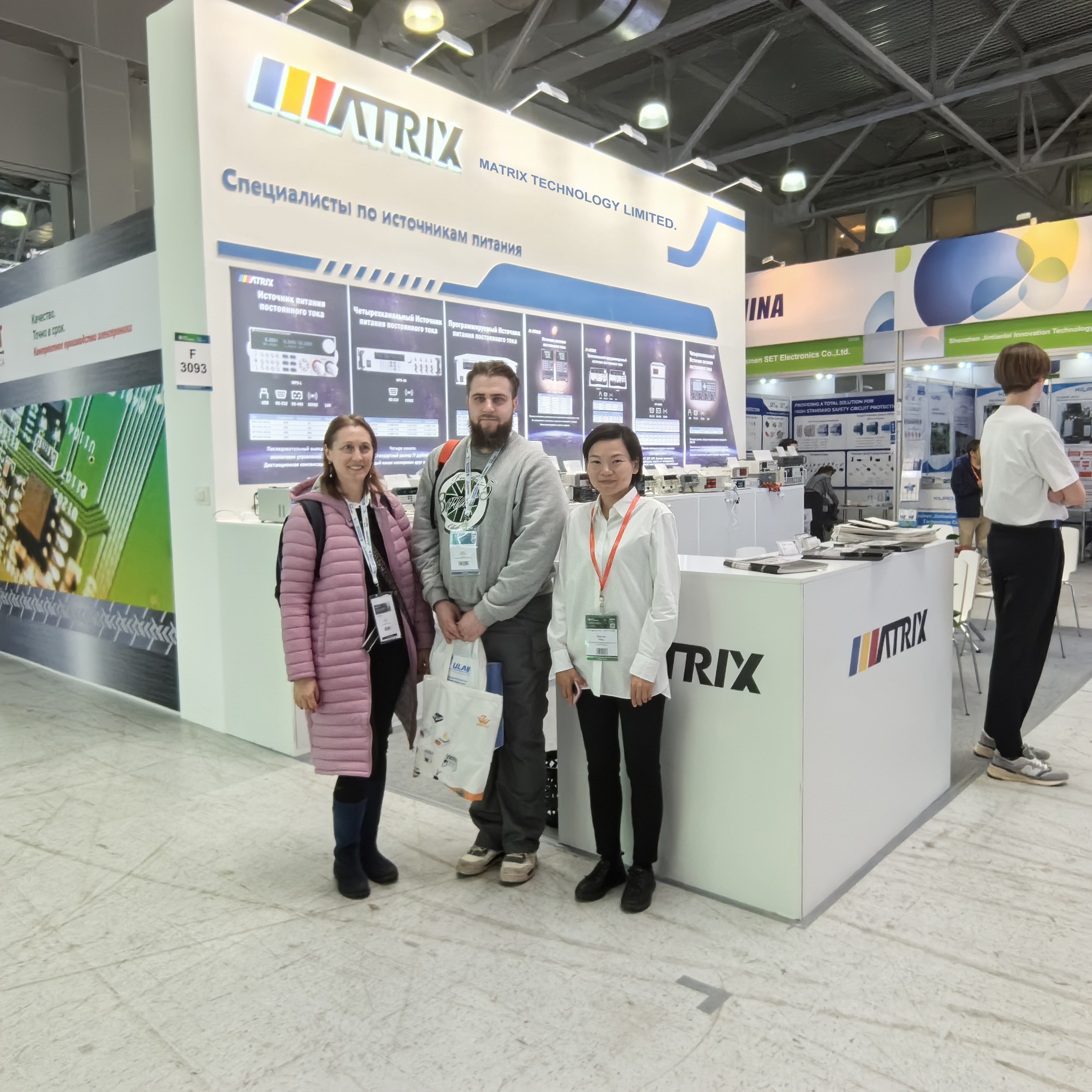
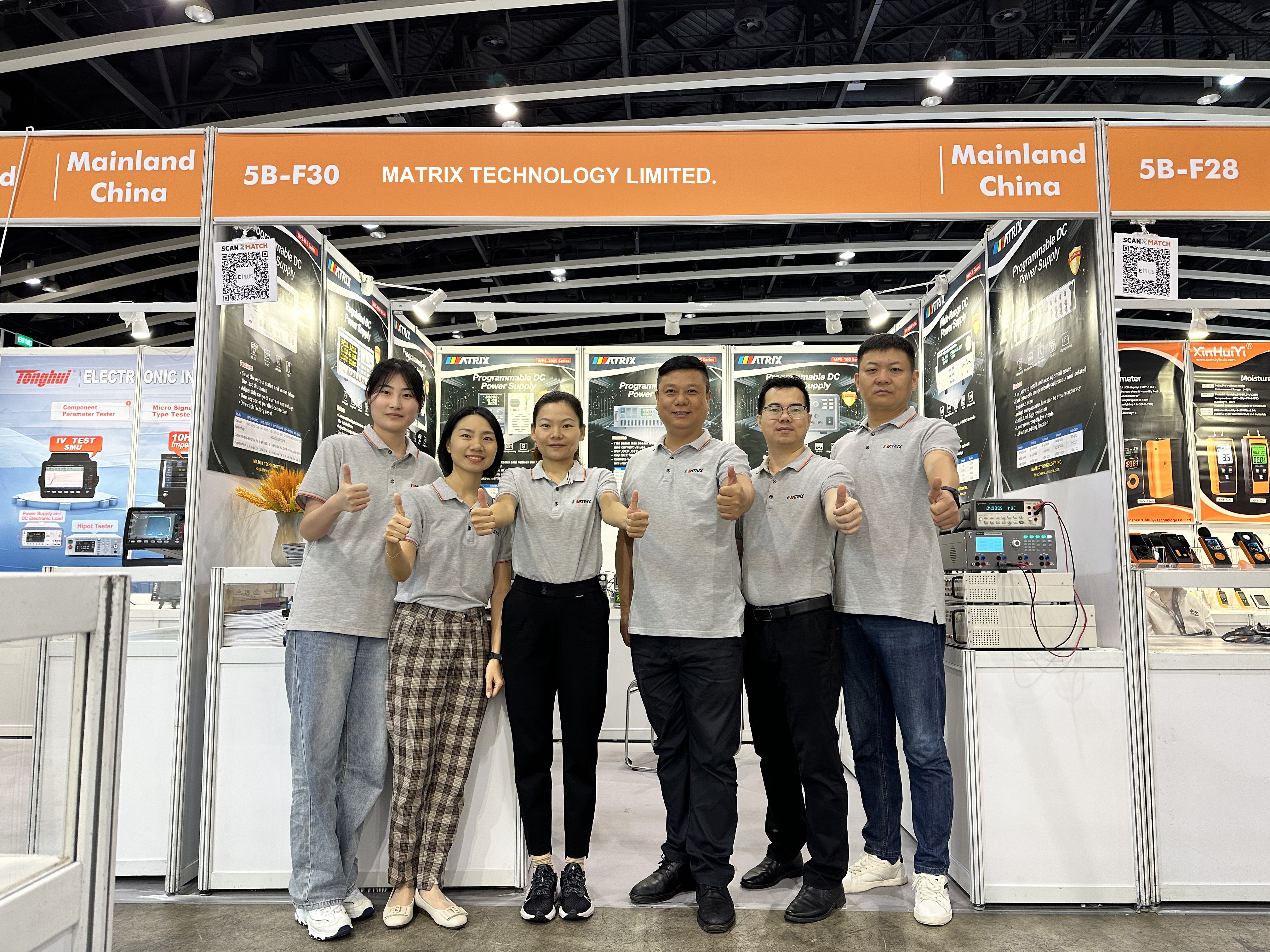
GUANGZHOU MATRIX POWER TECHNOLOGY LIMITED is a trusted manufacturer of electrical testing and calibration instrumentation, delivering robust power and measurement solutions to clients worldwide.
About Guangzhou Matrix Power
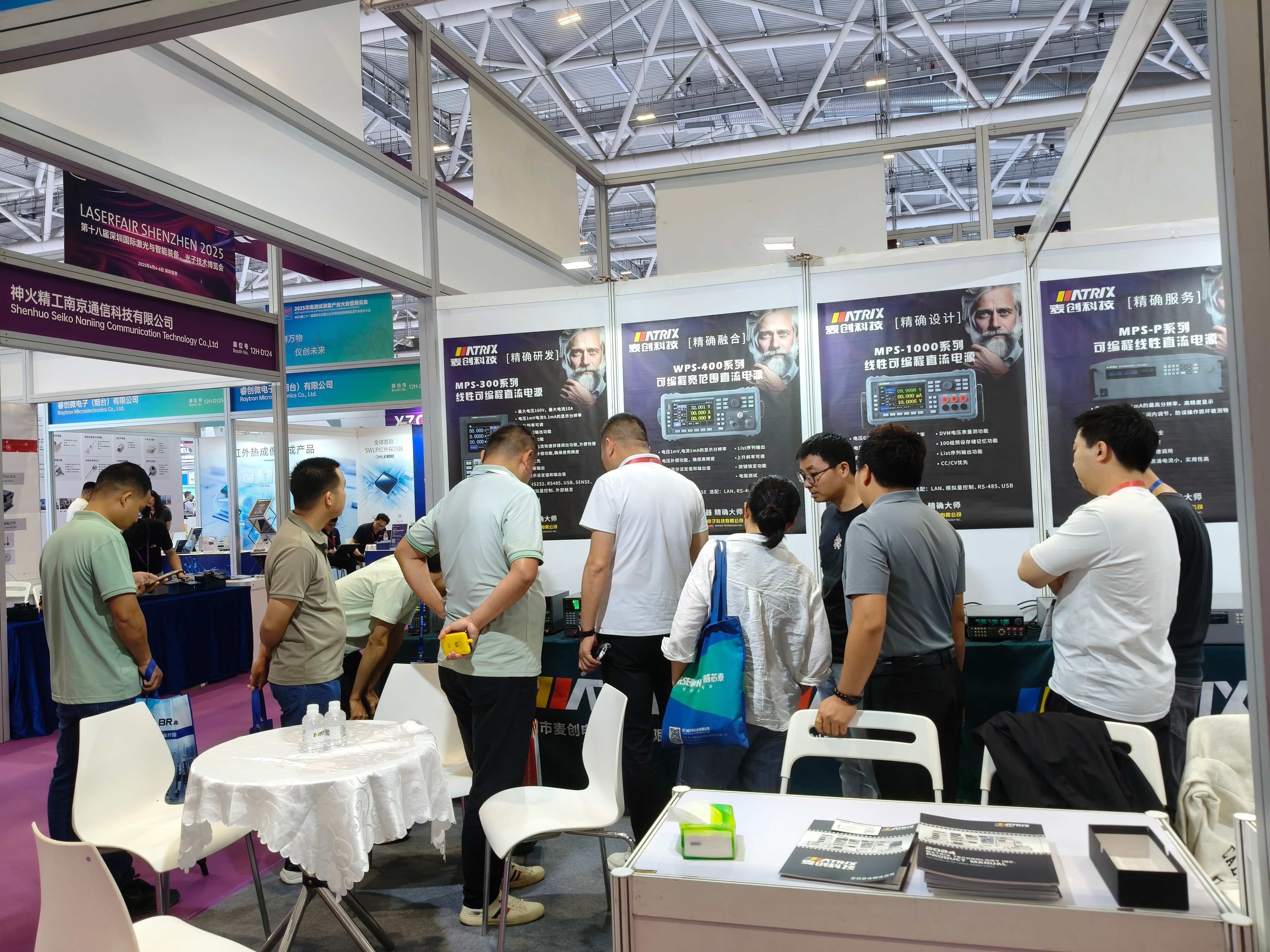
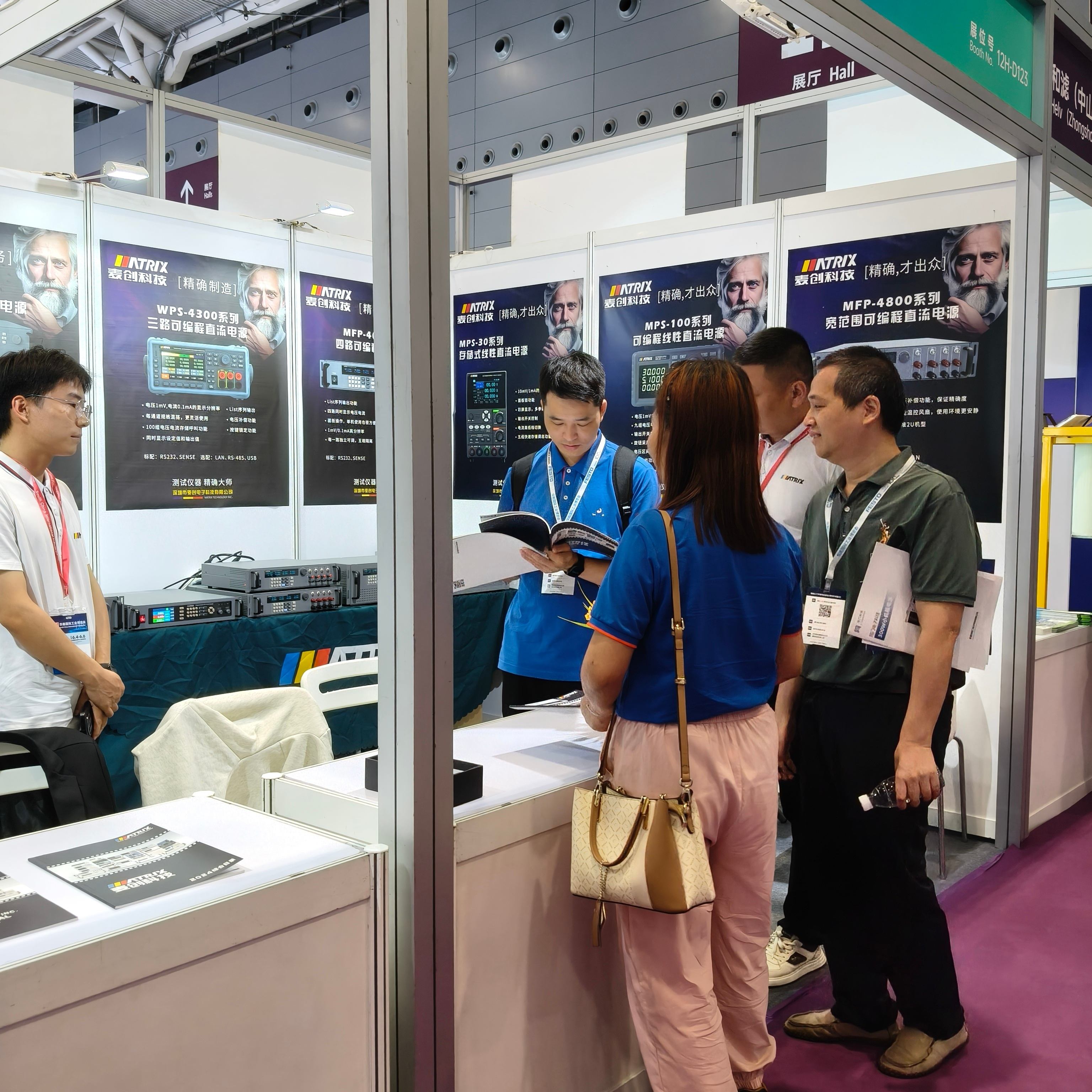
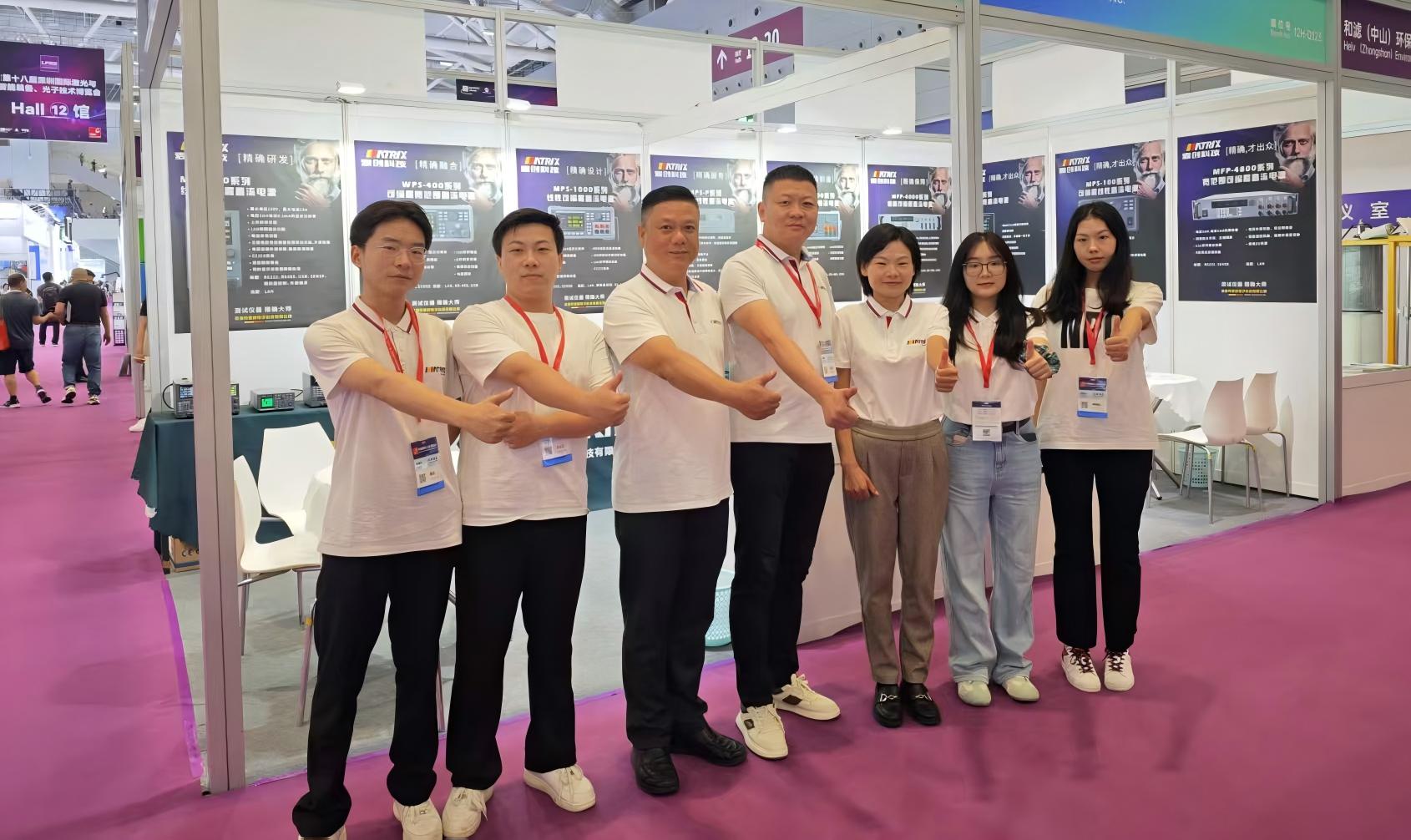
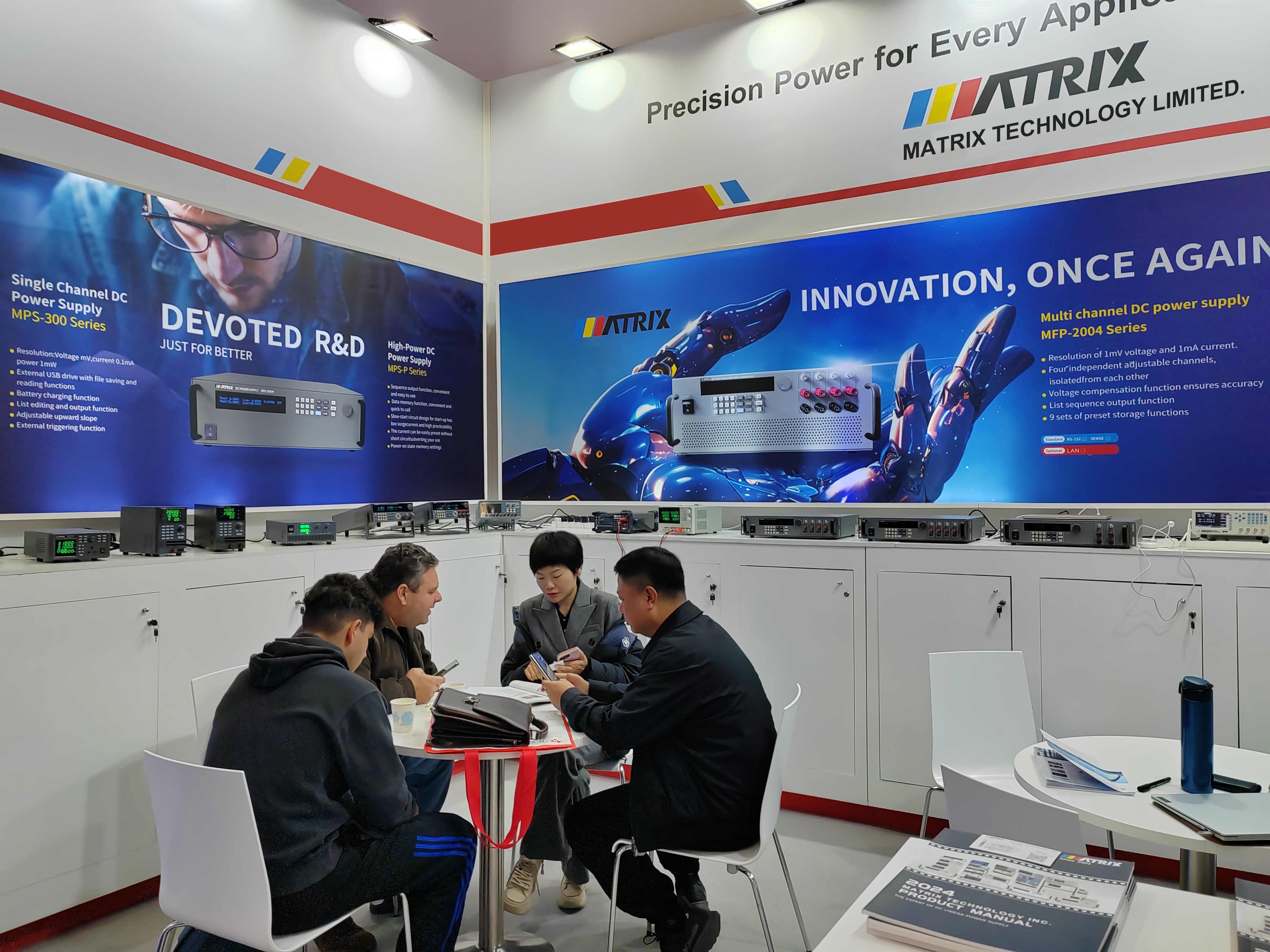
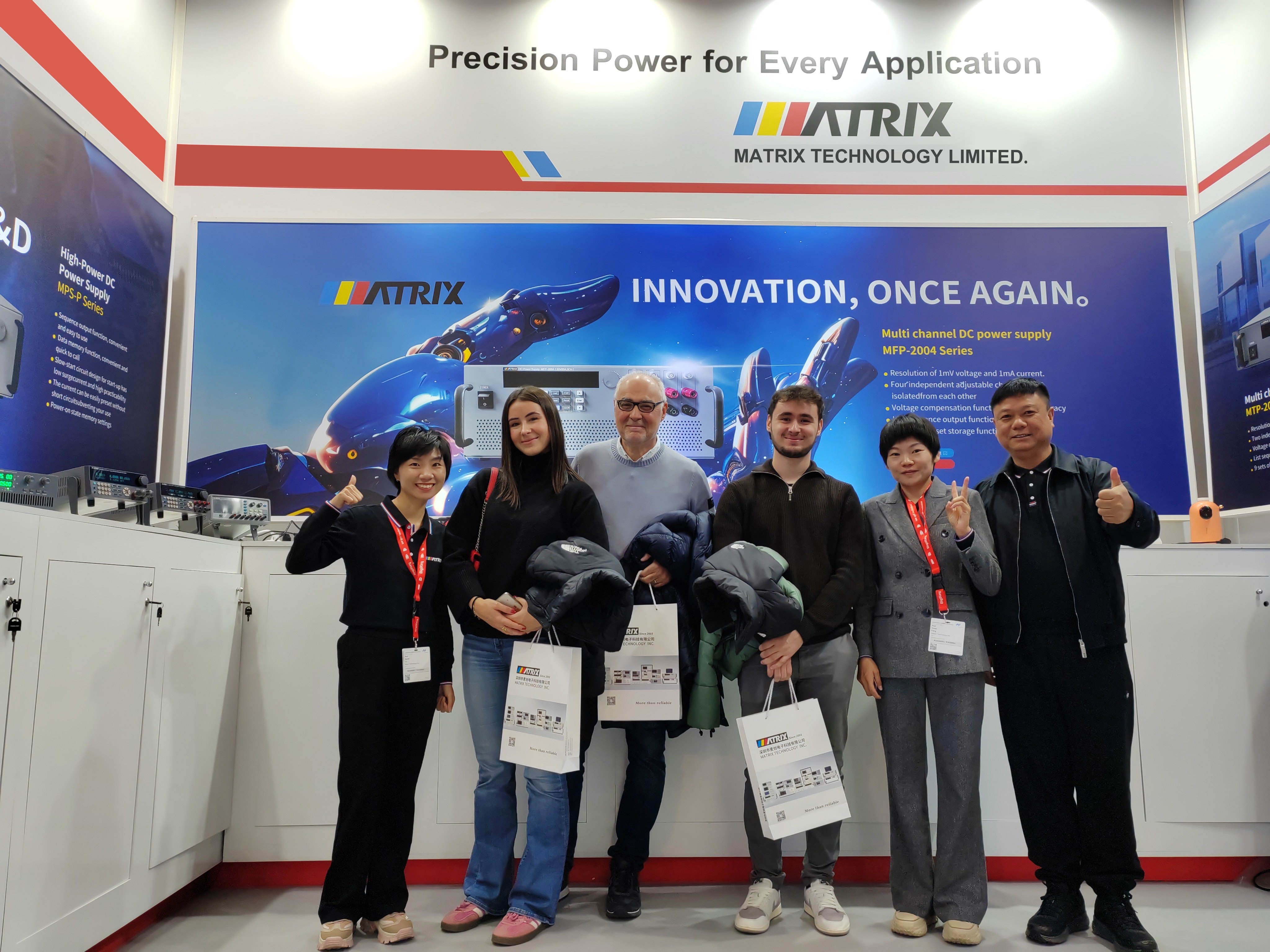
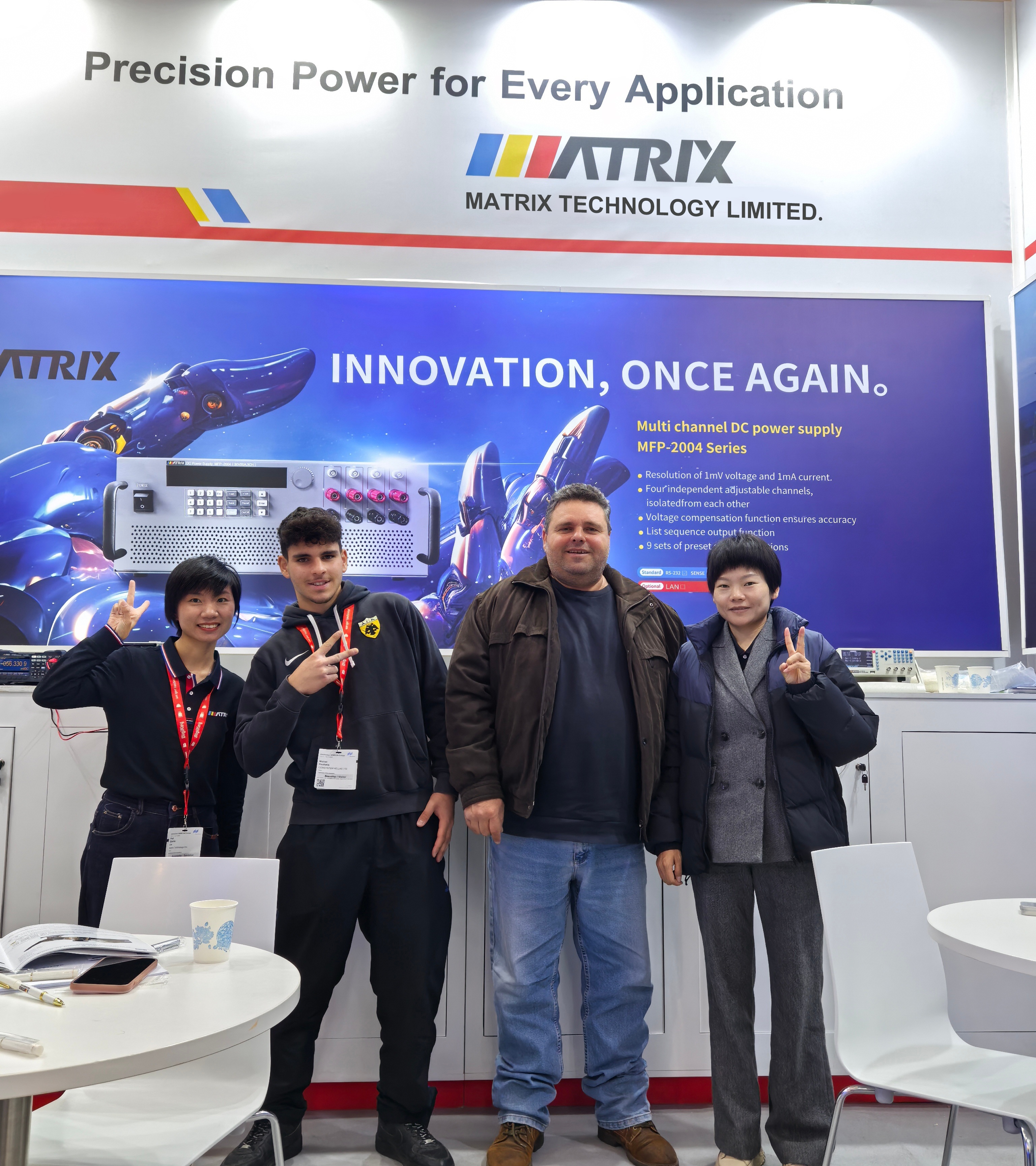
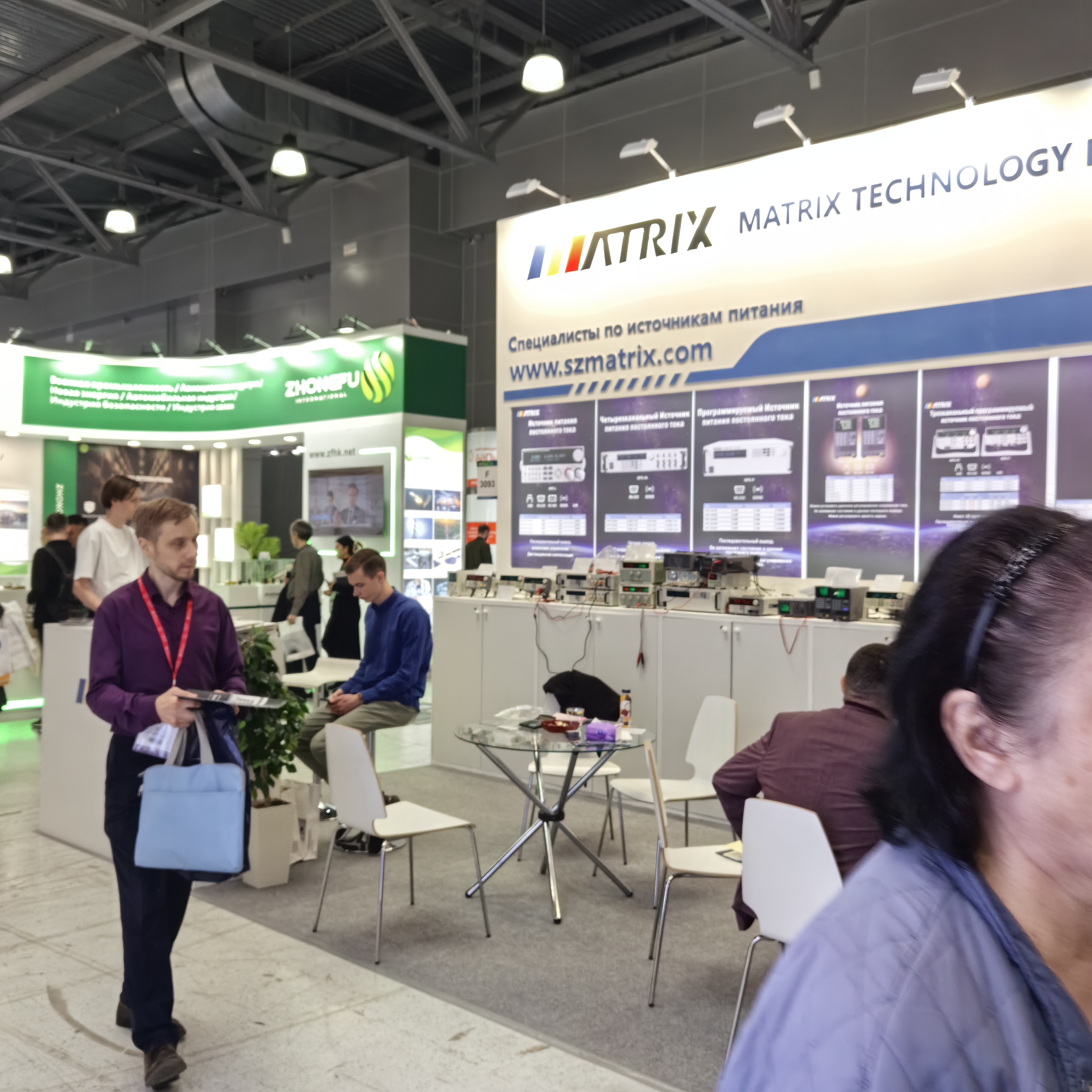
GUANGZHOU MATRIX POWER TECHNOLOGY LIMITED's headquarters was established in Guangzhou, China, in 2003, and is an innovative enterprise specializing in the R&D, production, and sales of DC-regulated power supplies and AC power sources.
Our products are currently exported to more than 80 countries and regions. MATRIX POWER has obtained ISO9001, CE, ROHS, and other authoritative certifications. Our robust R&D team will continue to focus on the research and development of DC power supplies, keep providing users with more reliable, durable, and stable products.
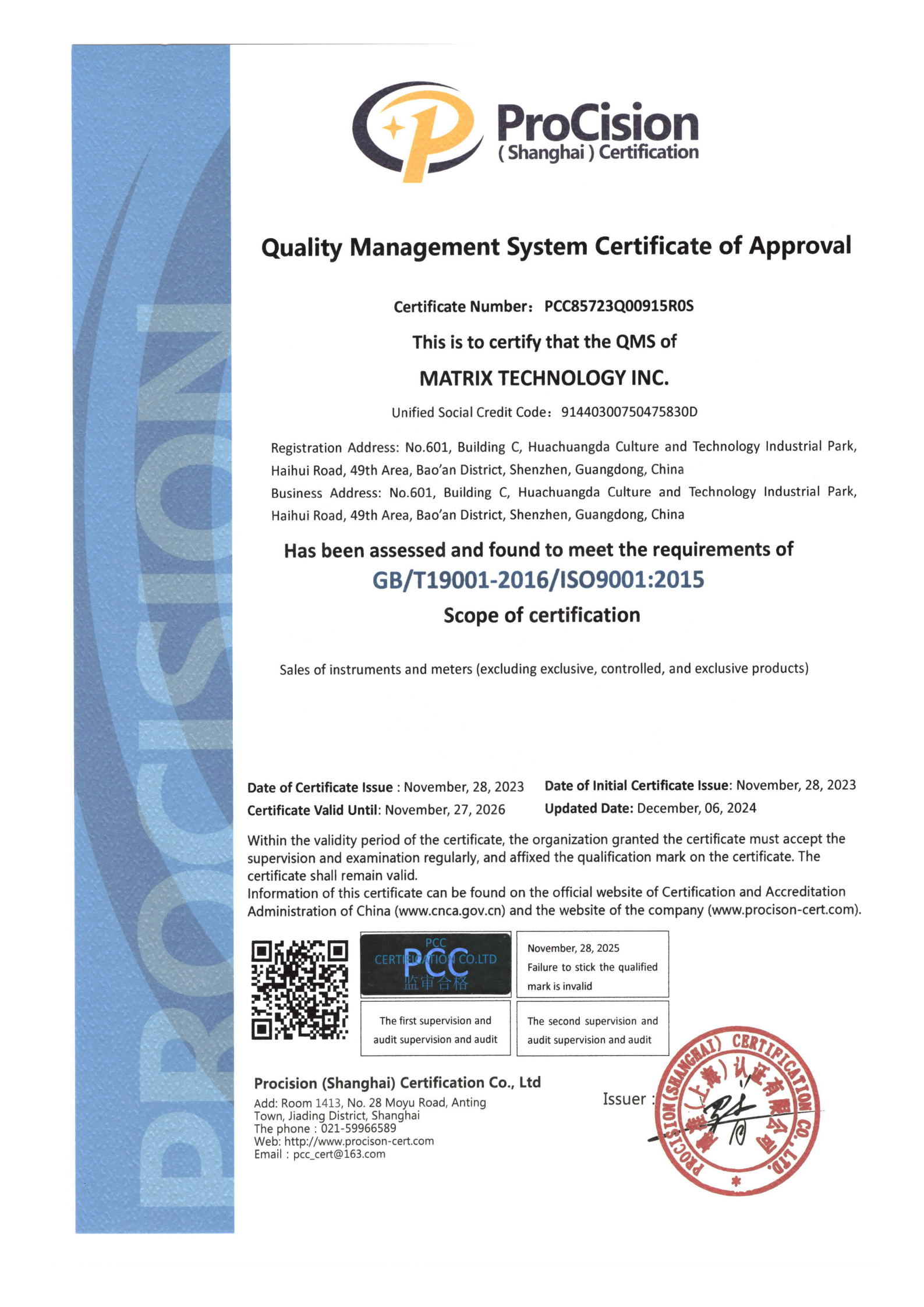 ISO 9001 Quality System



Technical FAQ: Selecting and Calibrating Oscilloscope Probes
Common questions from test engineers and procurement managers regarding OEM customization, probe load matching, and system integration.
What is the difference between passive and active oscilloscope probes?
Passive probes use resistor-capacitor networks to scale input voltages without active electronics. They are durable, offer high dynamic voltage range, but introduce higher capacitive loading (typically 10-15pF). Active probes incorporate an internal FET amplifier close to the tip, providing very low input capacitance (usually sub-picofarad) and higher bandwidth. This makes them ideal for high-speed digital buses, though they support a narrower dynamic voltage range and require external power.
Why is common-mode rejection ratio (CMRR) critical for differential probes?
CMRR measures a differential probe's ability to reject electrical noise common to both input channels. High CMRR is essential for high-voltage differential measurements on components like high-side switches in GaN/SiC half-bridges. Poor CMRR allows high-voltage transients (common-mode) to bleed into the differential measurement, showing up as artificial overshoot or oscillation on the display.
How does input loading affect measurement accuracy?
When you connect an oscilloscope probe to a DUT, the probe acts as a load. This load is a parallel combination of the probe's input resistance and input capacitance. At high frequencies, capacitive loading dominates, pulling current from the node under test. This loading can round off fast edges, introduce phase shifts, and change circuit behavior, sometimes causing a failing circuit to temporarily function while probed.
Why do we need to calibrate oscilloscope probes, and how is it done?
Calibration, or compensation, matches the probe's internal RC networks with the input channels of the oscilloscope. Standard passive 10:1 probes feature a trimmer capacitor that requires adjustment to ensure a flat frequency response. Probes must be compensated every time they are connected to a different input channel to prevent signal distortion, which can lead to measurement errors in signal amplitude and rise times.
Can custom attenuation ratios be developed through OEM services?
Yes. Custom OEM/ODM runs can tailor attenuation ratios (e.g., 20:1, 50:1, or 250:1) to optimize the oscilloscope's vertical scale for specific sensors or power components. This ensures maximum signal-to-noise ratios and minimizes display quantization noise. Guangzhou Matrix Power offers tailored signal pathways and structural solutions to meet these custom calibration requirements.
How do Matrix Power programmable DC power supplies support probe development?
Our programmable DC power supplies feature low output ripple and excellent transient response. These qualities make them ideal reference sources for evaluating active probe circuitry, checking power rail probe noise floors, and verifying automated test equipment (ATE) setups where power supplies and probes operate in close proximity.
High-Power Programmable Systems for Engineering & Industry
Complete your laboratory benches with our high-power programmable DC systems, delivering clean output profiles to support precise calibration and testing routines.