Engineering Ultra-Stable Foundations for Thermal Calibration
In modern industrial process automation, laboratory metrology, and semiconductor fabrication, temperature measuring instruments require absolute calibration integrity. As an established pioneer in design and manufacturing, GUANGZHOU MATRIX POWER TECHNOLOGY LIMITED provides the underlying power infrastructures and high-precision DC sources essential for validating thermocouples, resistance temperature detectors (RTDs), thermistors, and thermal cameras.
Without clean excitation currents and voltage regulation, temperature sensors suffer from thermal drift and measuring errors. By combining our 20+ years of hardware excellence with advanced programmable interfaces, we support global OEMs and ODMs in building stable, industry-compliant thermal testing matrices.
Featured Calibration & Benchtop Power Sources
Select instrumentation optimized for thermal control, testing laboratory environments, and automated test equipment (ATE).
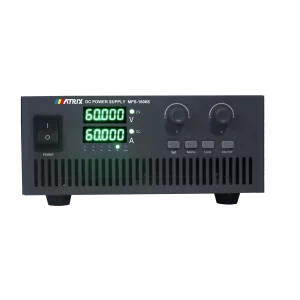
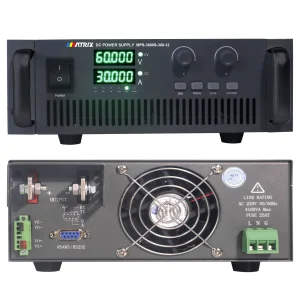
MATRIX 1800W 60V 30A Single Output Programmable Digital Desktop DC Power Supply for Laboratory and Industry Use
View Technical Details →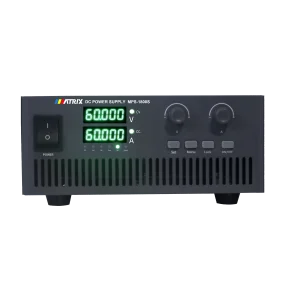
MATRIX 1800W 60V 30A Single Output High Precision Adjustable Programmable DC Power Supply for Industrial & Laboratory Use
View Technical Details →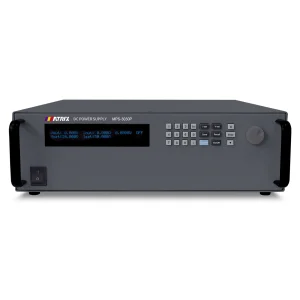
MATRIX High Power DC Power Supply 30V 40A 1200W MPS-3040P Programmable Linear Power Supply with OCP OVP RS232 for Industrial
View Technical Details →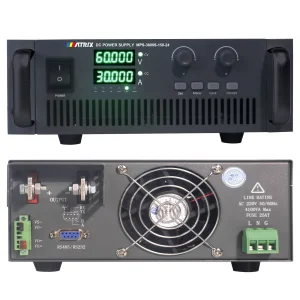
MATRIX 3600W 150V 24A high precision adjustable programmable DC power supply for electronic factories
View Technical Details →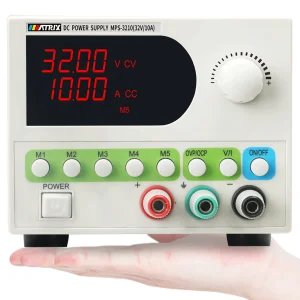
MATRIX Switching DC Power Supply MPS-3210 32V 10A 300W, Adjustable Lab DC Power Supply with Enable/Disable Button
View Technical Details →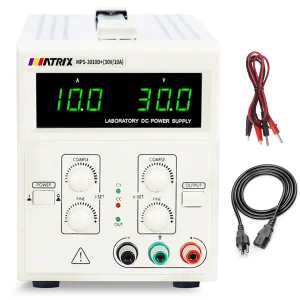
MATRIX MPS-3010D+ 30V 10A 300W Single Output High-Precision 85% Efficiency DC Linear Power Supply Universal Input for Lab Use
View Technical Details →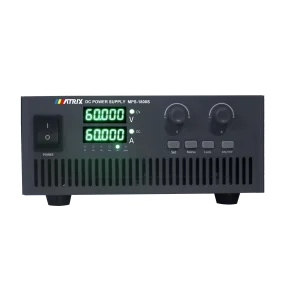
MATRIX 1800W 200V 9A high power programmable digital desktop DC power supply for laboratory use
View Technical Details →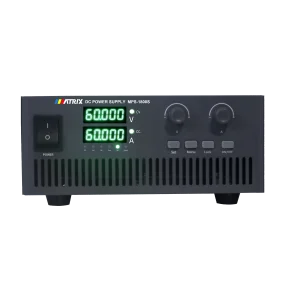
MATRIX 1800W 150V 12A high power programmable digital desktop DC power supply for laboratory use
View Technical Details →Global Industry Trends: Temperature Metrology & Dynamic Power Control
High-Density Multi-Channel Sensing
Automated manufacturing environments now monitor thermal distributions across thousands of measurement nodes concurrently. The demand for sub-millivolt power resolution has scaled massively to support the high signal-to-noise ratio (SNR) required by dense sensor matrices.
Smart IoT & Protocol Standardization
Thermal instrumentation relies heavily on standardized communication APIs. Modern systems run SCPI over RS232, USB, or LAN interfaces, allowing automated calibration routines to directly manipulate DC voltage settings for thermocouple simulations.
Eco-Design and Thermal Mitigation
As factories scale, testing infrastructure energy efficiency is vital. Modern high-precision DC linear power supplies from Guangzhou Matrix operate with efficiencies reaching upwards of 85%, significantly reducing localized thermal drift in the testing bench itself.
Global Procurement Challenges & Solution Architecture
Procuring industrial-grade test equipment requires strict adherence to safety, repeatability, and system durability. Our OEM/ODM capabilities are structured to eliminate procurement failure modes through meticulous hardware engineering.
1. Metrology & Calibration Labs
Challenge: Microvolt-level drift caused by ambient temperature swings interferes with thermocouple reference junctions.
Solution: We utilize advanced low-temperature-coefficient resistor networks and precision linear regulators to maintain ripple down to ≤ 1mV RMS, ensuring stable excitation of temperature measuring elements.
2. Automotive EV Battery Testing
Challenge: Simulating dynamic thermal runaway profiles across high-voltage batteries.
Solution: High-power programmable DC power configurations (up to 3600W, 300V) deliver quick transient response times to accurately cycle heating element arrays under precise lab environments.
3. Heavy Industrial Processing
Challenge: Harsh electrical noise (EMI) from neighboring motors corrupting sensitive temperature transmitters.
Solution: Standard galvanic isolation across all control circuits and rigorous compliance with CE and RoHS standards prevent ground loop errors in industrial setups.
Global Compliance & Active Industrial Participation
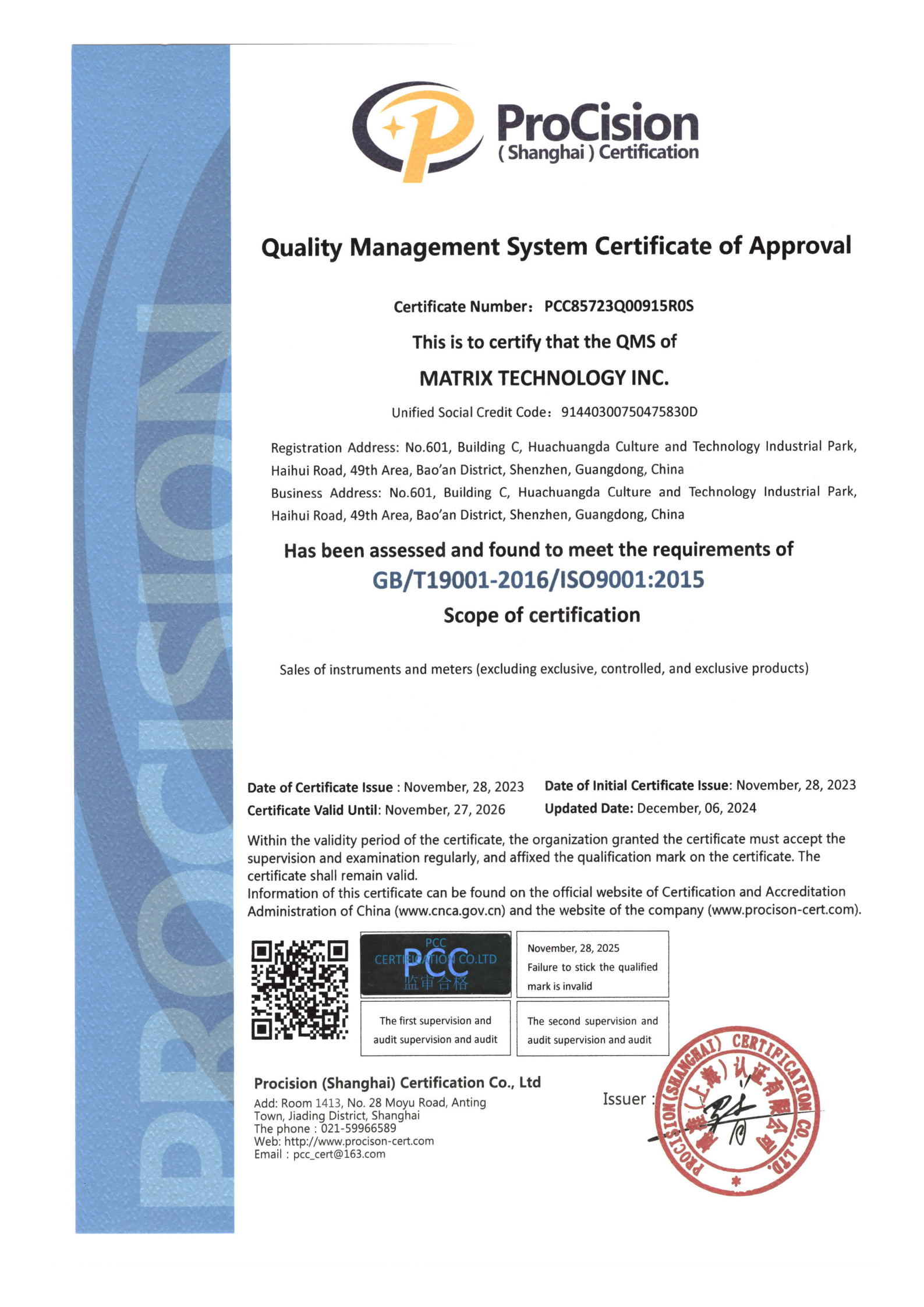
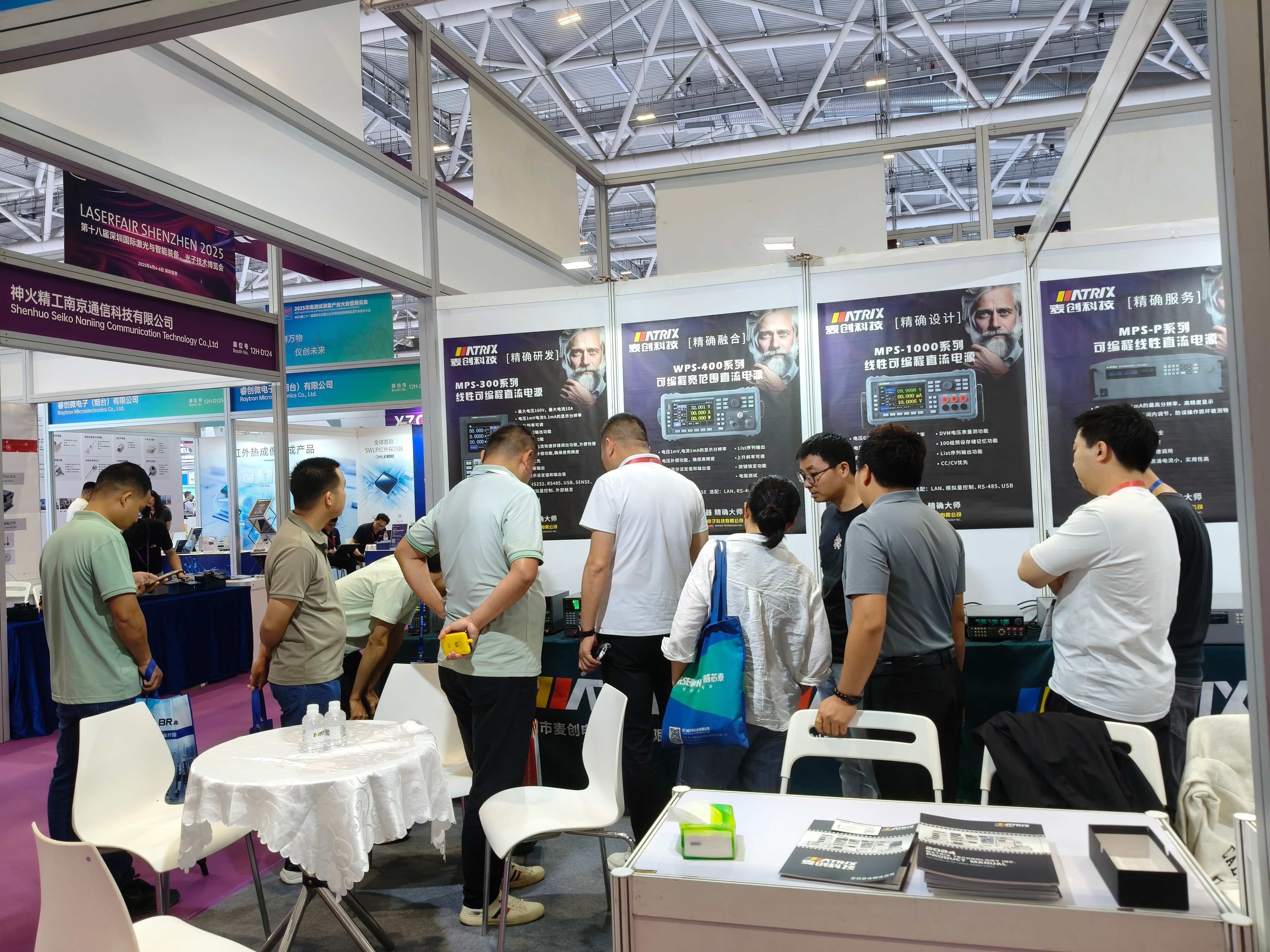
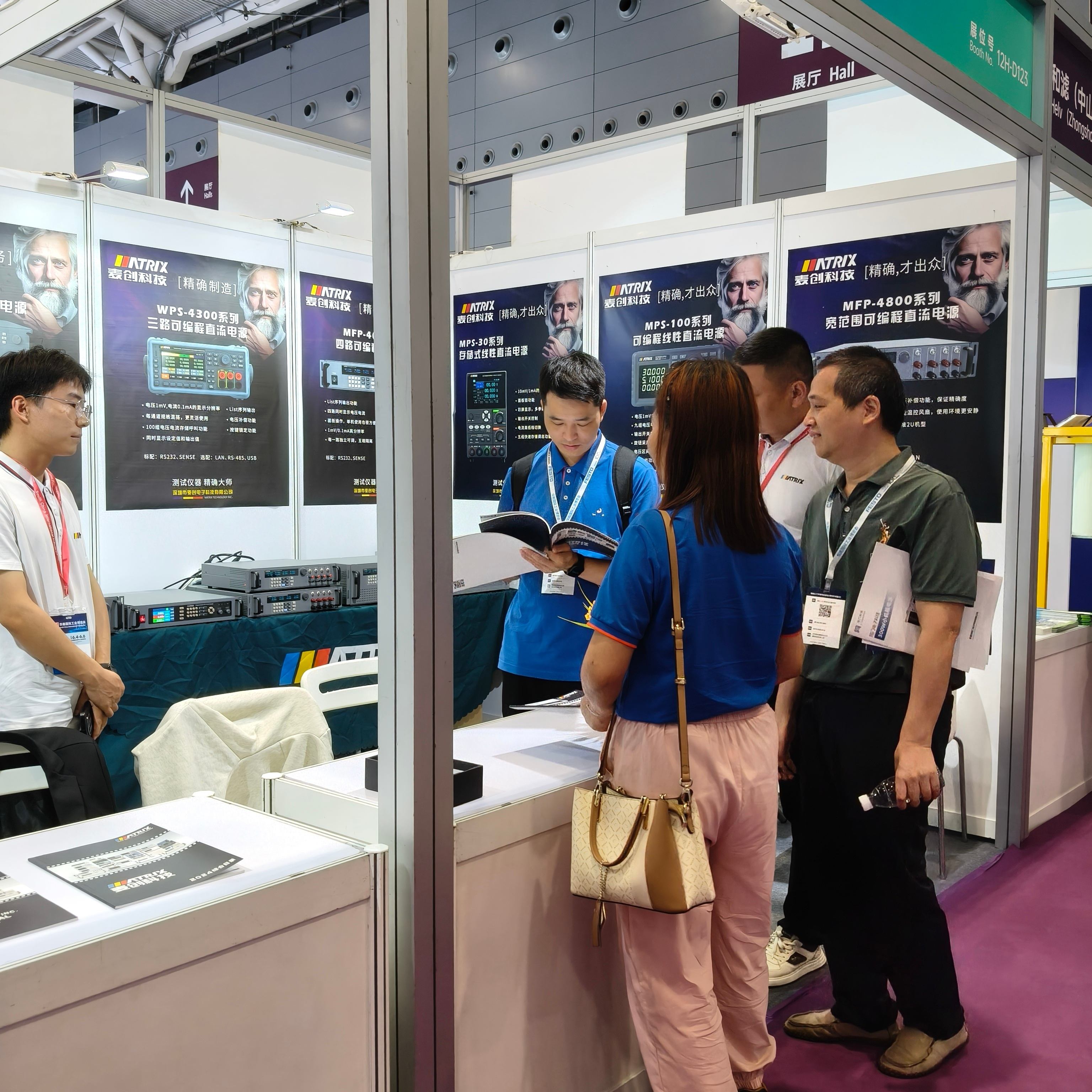
GUANGZHOU MATRIX POWER TECHNOLOGY LIMITED's headquarters was established in Guangzhou, China, in 2003, and is an innovative enterprise specializing in the R&D, production, and sales of DC-regulated power supplies and AC power sources. Our products are currently exported to more than 80 countries and regions. MATRIX POWER has obtained ISO9001, CE, ROHS, and other authoritative certifications. Our robust R&D team will continue to focus on the research and development of DC power supplies, keeping providing users with more reliable, durable, and stable products.
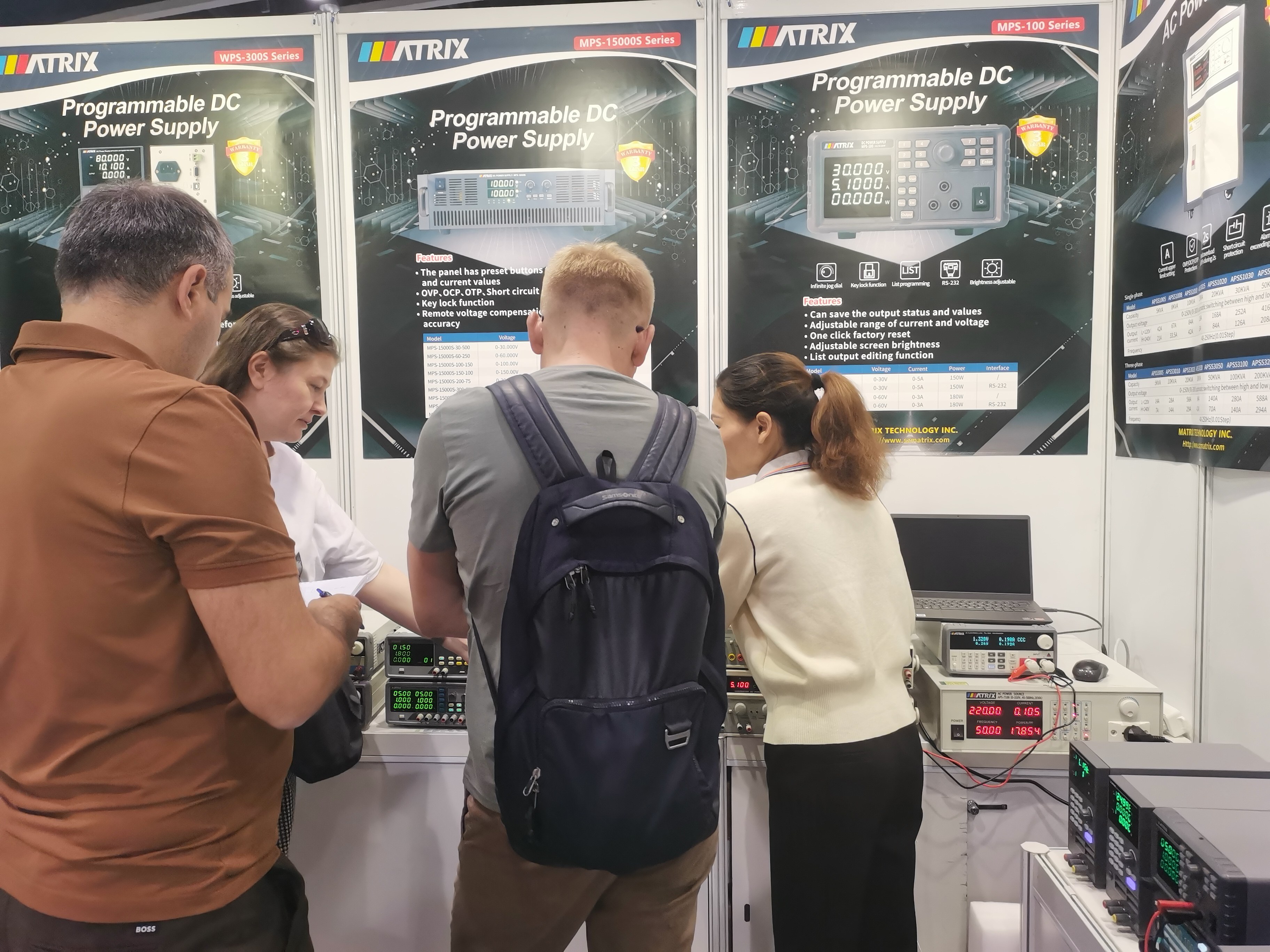
Corporate Footprints and Global Auditing
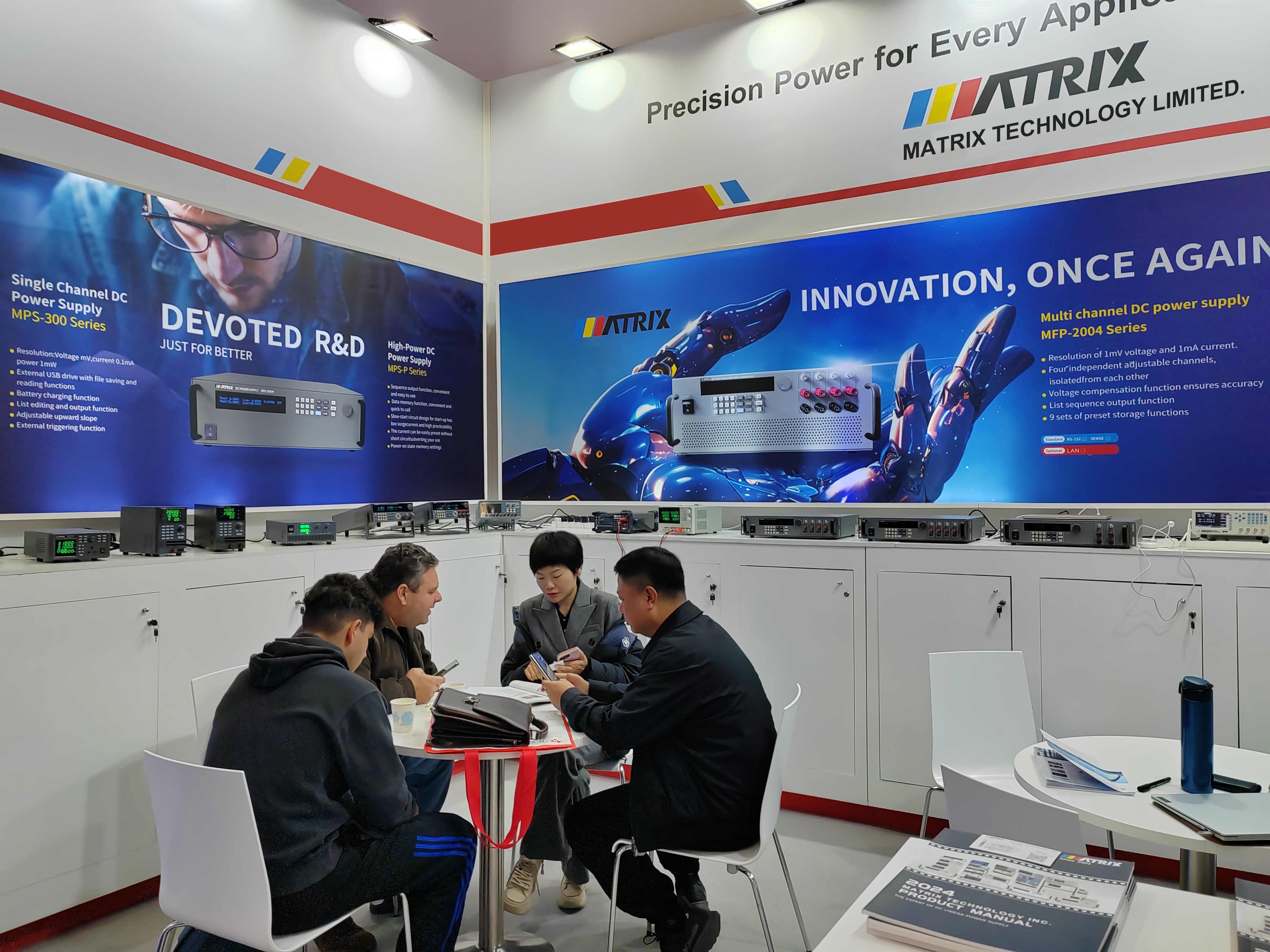
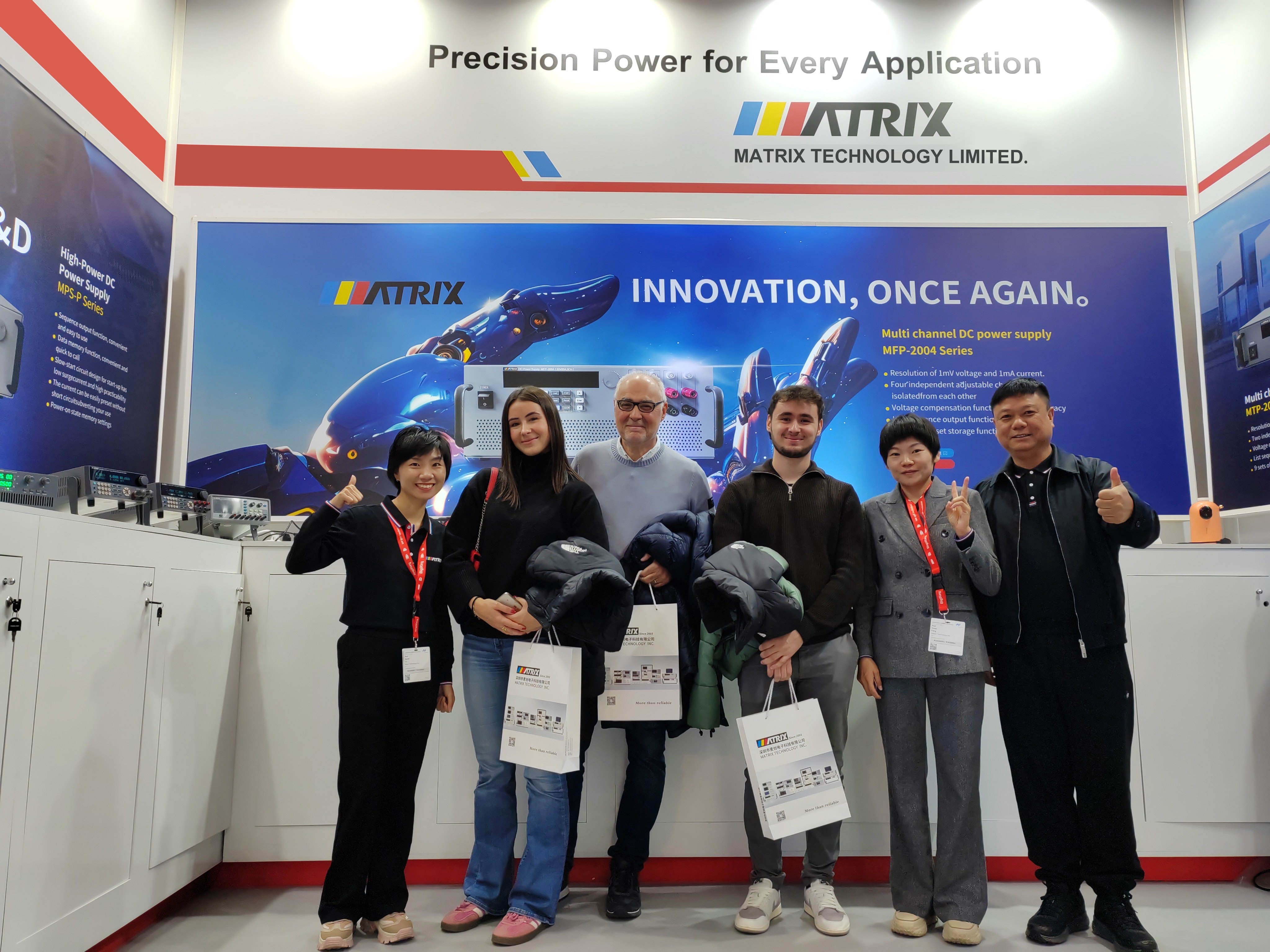
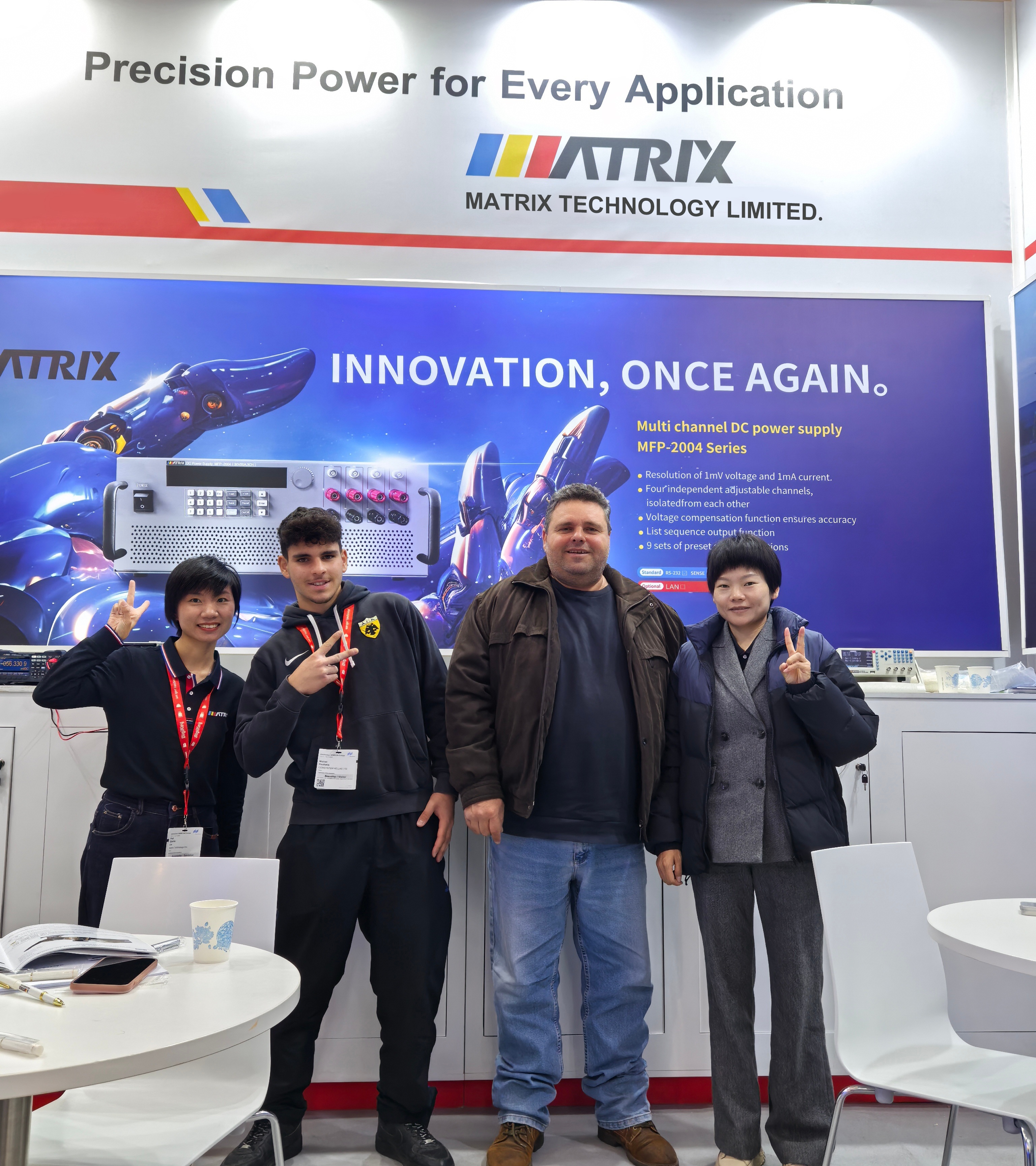
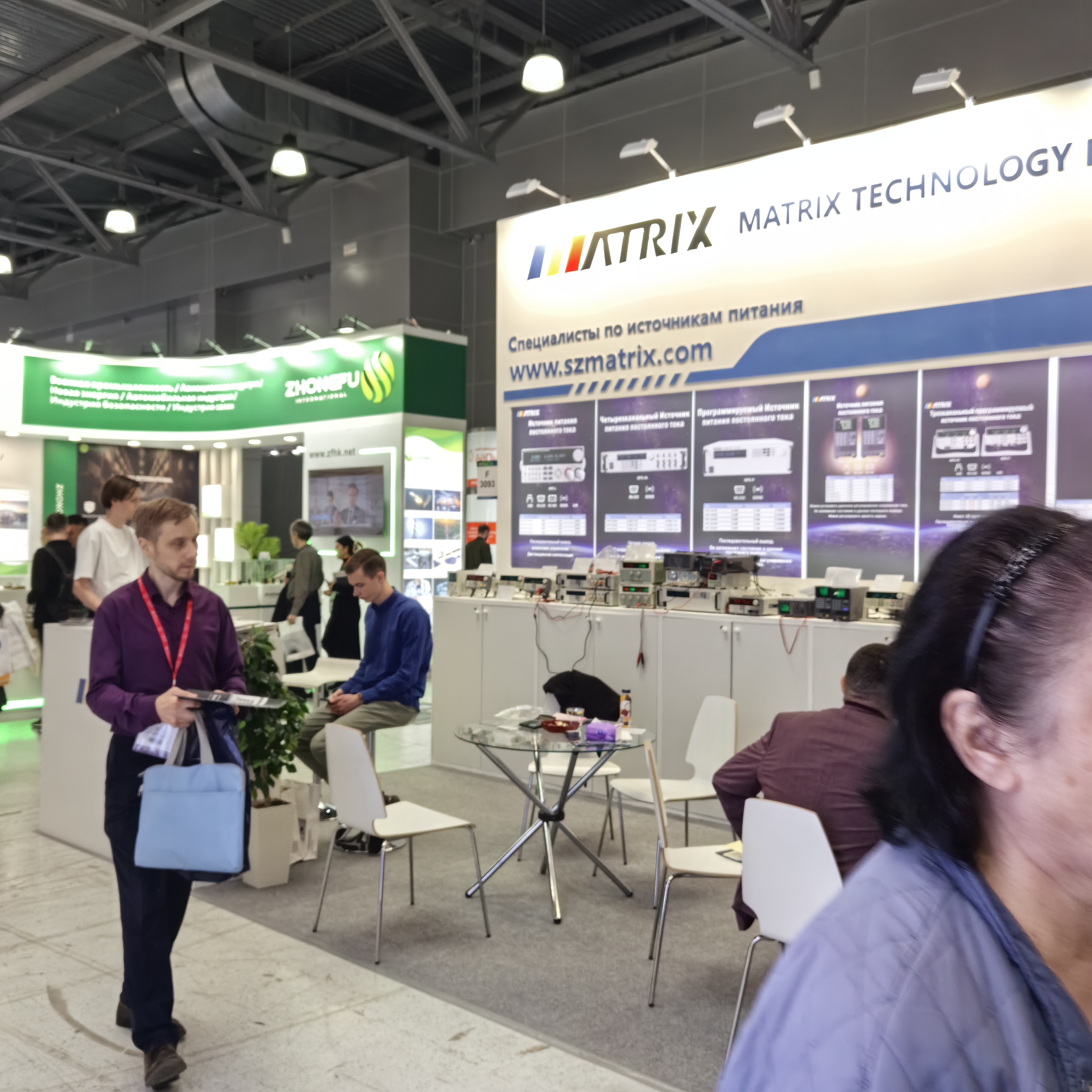
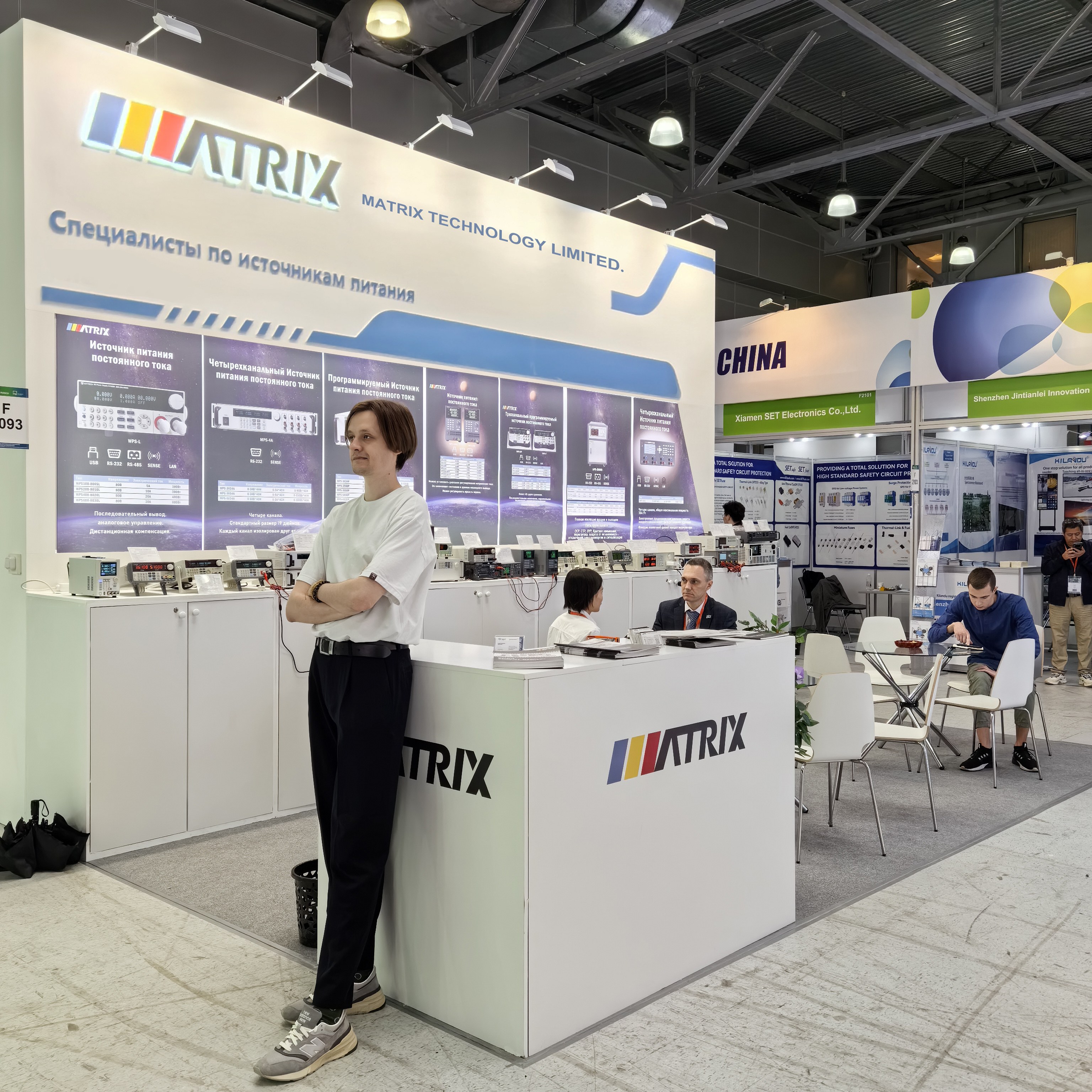
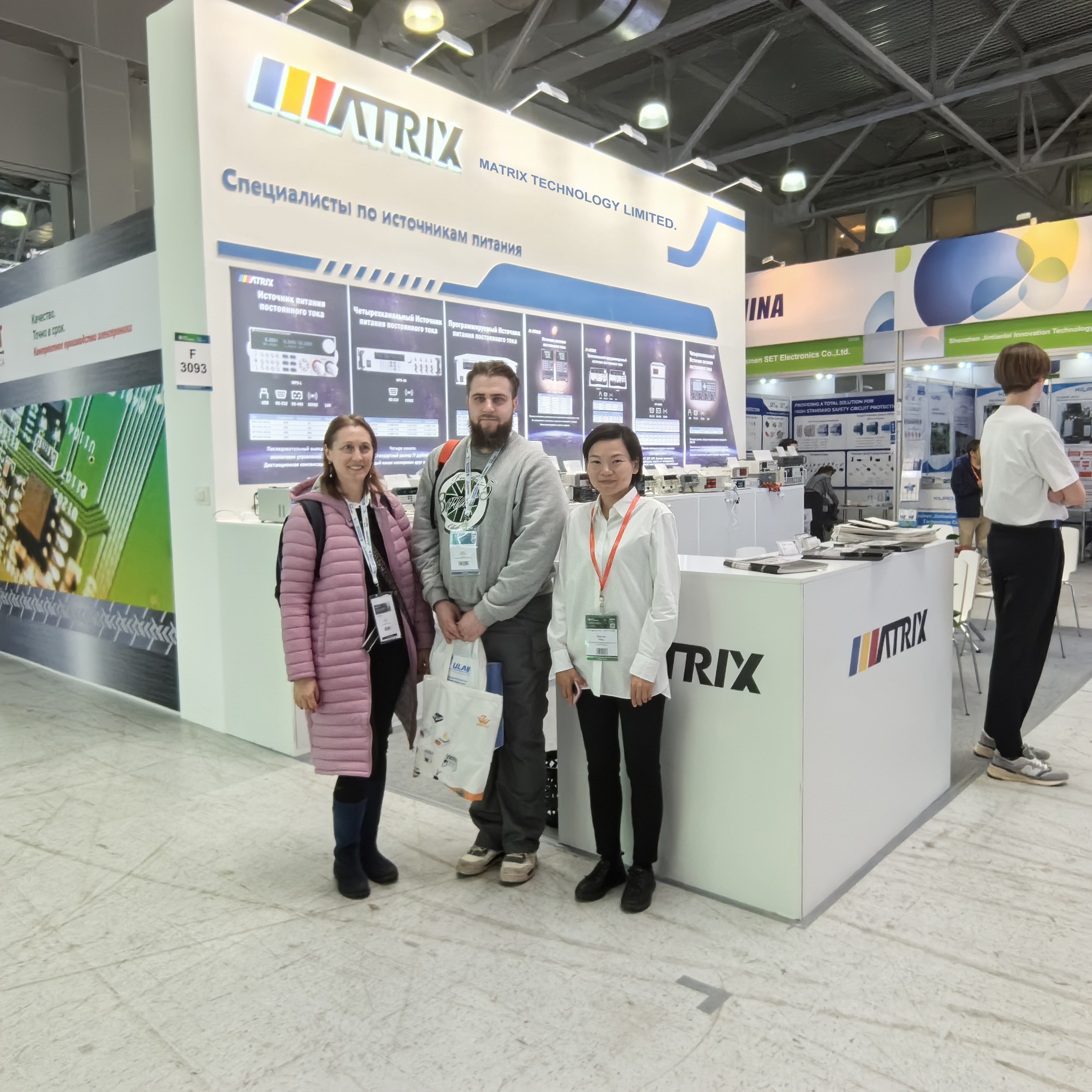
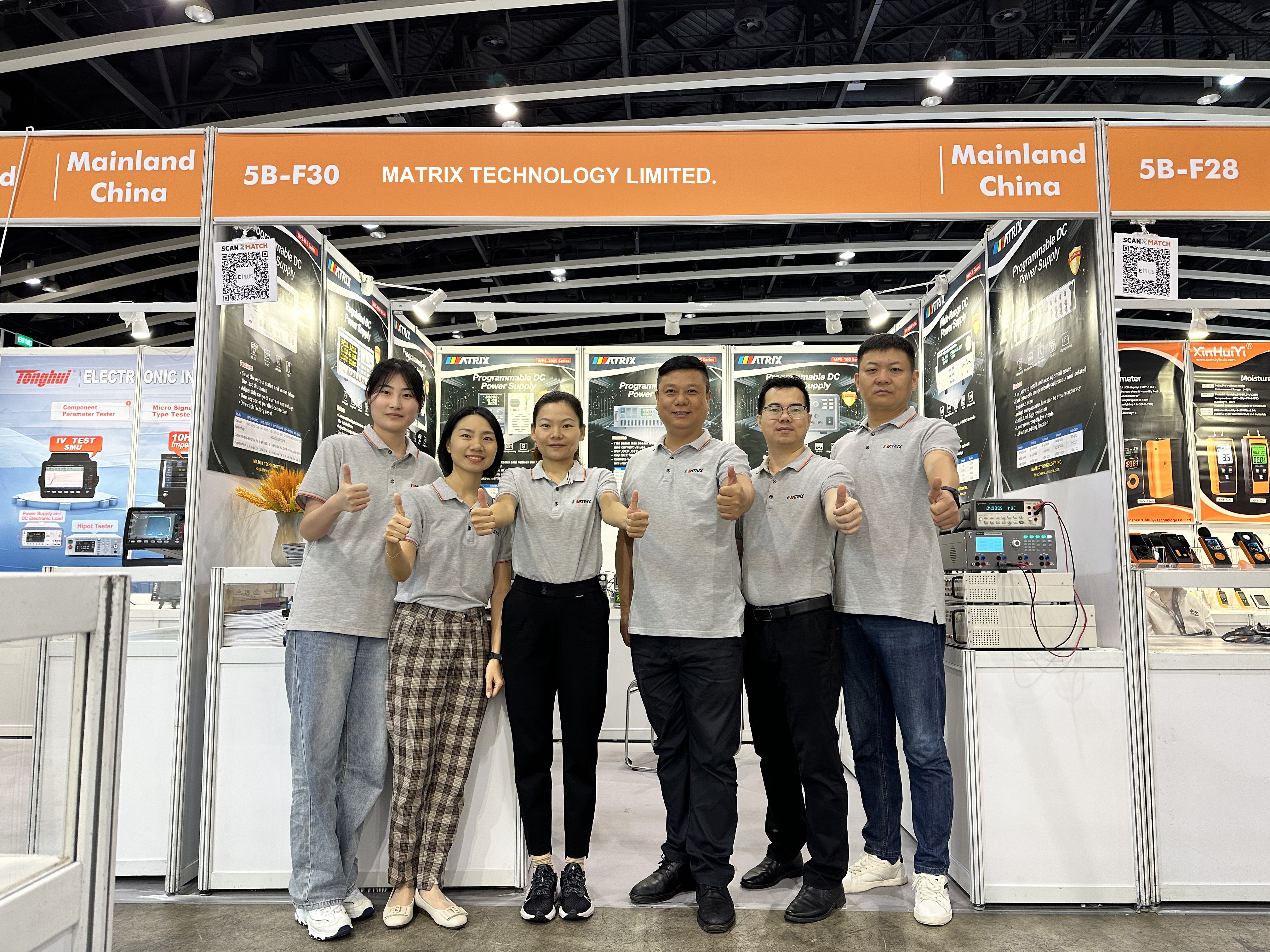
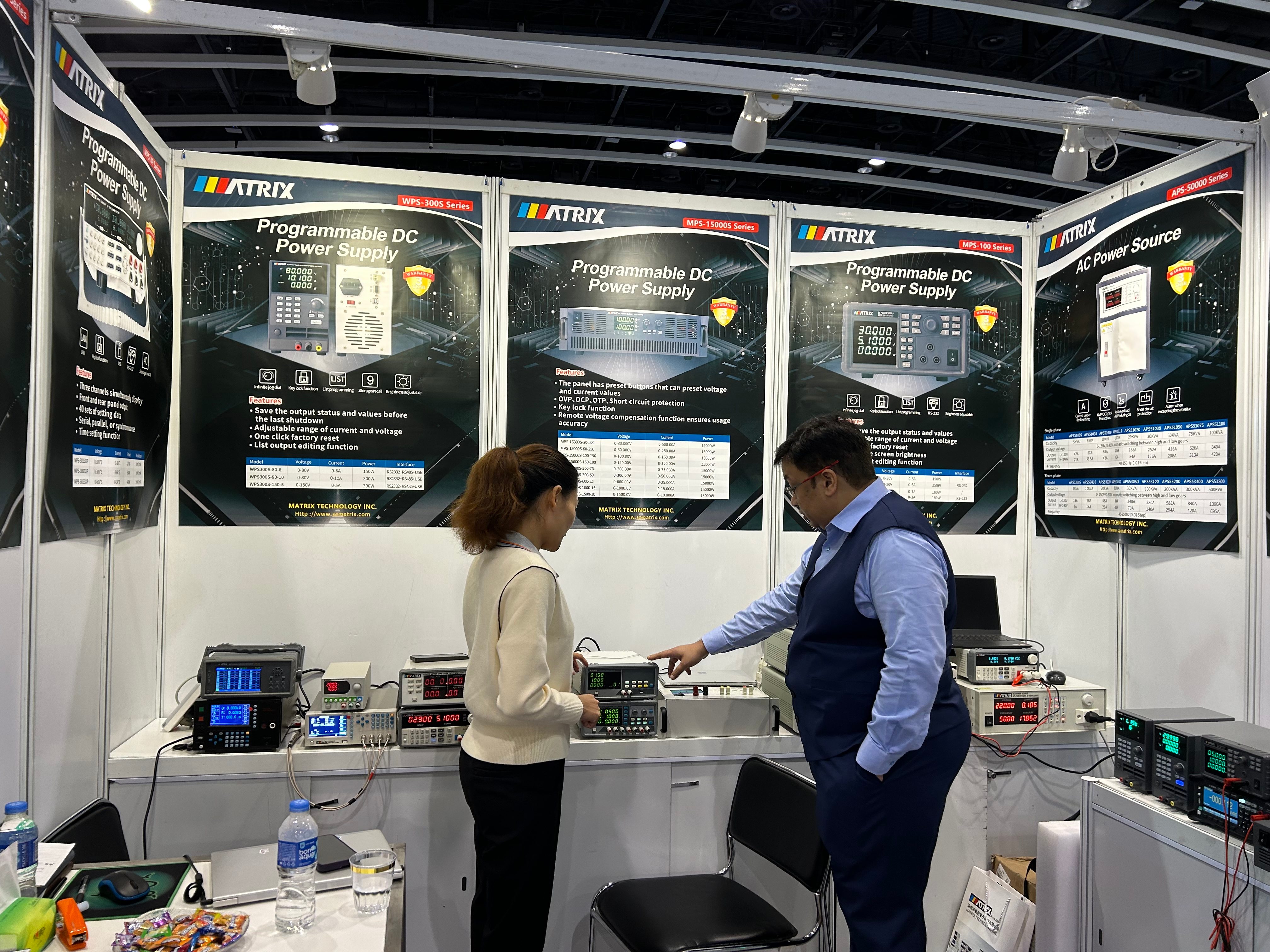
We actively showcase our latest innovations and engage with leading test instrument experts globally. Below are some highlights of our recent exhibitions and industrial symposiums around the world:




Technical Roadmap & Future Outlook
Adapting to next-generation thermal simulation requirements and digital calibration frameworks.
Ultra-Low Ripple GaN Systems
We are integrating Gallium Nitride (GaN) switching components into our power designs to achieve smaller chassis envelopes while maintaining ripple voltages below 500 microvolts RMS, matching precision laboratory linear supplies.
Real-Time LXI / Ethernet Integration
Upgrades across our programmable benchtop product series will feature built-in web servers utilizing the LXI (LAN eXtensions for Instrumentation) standard, allowing remote thermal chamber setups to control voltage curves natively.
High-Resolution ADC Outputs
Our upcoming 2026 systems will advance display dynamics up to 5.5-digit precision readbacks, enabling ultra-precise load detection on low-resistance temperature transducers without secondary multimeters.
Technical Q&A: Power Precision in Temperature Metrology
Explore deep technical insights explaining the critical role of programmable power in high-end temperature calibration setups.
Explore Our Full Range of Precision Power Products
Select from high-power models and high-digit precision systems for industrial test environments.
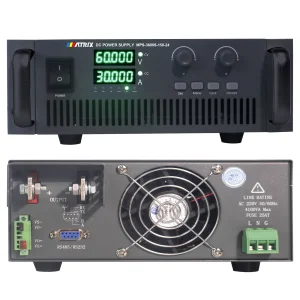
MATRIX 3600W 150V 24A 4.5 Digit Display Adjustable Programmable Single Output DC Power Supply for Laboratory and Industry Use
View Technical Details →
MATRIX 1800W 300V 6A High Power Programmable Digital Desktop DC Power Supply Single Output for Laboratory and Industry Use
View Technical Details →
MATRIX 1800W 30V 60A 5 digit digital display adjustable programmable DC power supply for laboratory use
View Technical Details →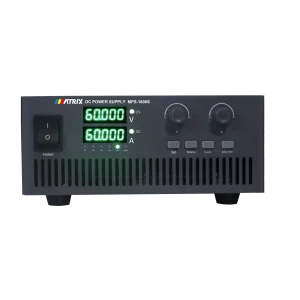
MATRIX 1800W 100V 18A high power programmable digital desktop DC power supply for laboratory use
View Technical Details →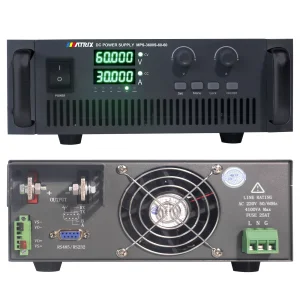
MATRIX 3600W 60V 60A high precision adjustable digital programmable DC power supply applied to research institutes
View Technical Details →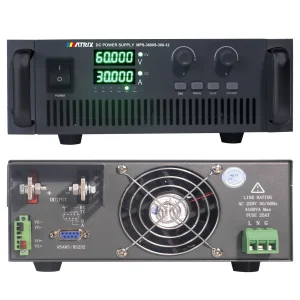
MATRIX 3600W 300V 12A high power adjustable digital programmable DC power supply used in laboratories
View Technical Details →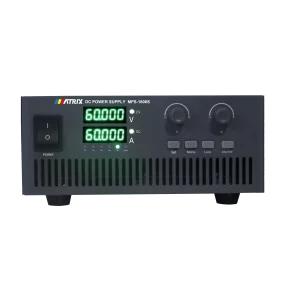
MATRIX 1800W 30V 60A high-power and high-precision programmable DC power supply for laboratory and industrial use
View Technical Details →